If you are thinking about buying an architect-designed home in Silver Lake, you are not just shopping for square footage. You are weighing design intent, hillside conditions, historic context, and the way a home actually lives day to day. In a neighborhood known for layered architecture and steep sites, knowing what to look for can help you buy with more confidence and fewer surprises. Let’s dive in.
Why Silver Lake stands out
Silver Lake has one of the most architecturally varied housing inventories in Los Angeles. SurveyLA describes a hilly neighborhood with irregular streets, homes shaped by slope, and public stairways that help connect the area. That physical setting matters because many of the neighborhood’s most notable homes were designed in direct response to the land.
The area is also broader in architectural range than many buyers expect. Along with single-family homes, Silver Lake includes bungalow courts, courtyard apartments, garden apartment complexes, duplexes, triplexes, and fourplexes. That means architect-driven design can show up in more than just a standalone hillside house.
What “architect-designed” really means here
In Silver Lake, an architect-designed home usually feels considered as a whole. The site plan, circulation, privacy, views, windows, and relationship to outdoor space tend to work together rather than read like a series of later updates. In many cases, the design responds to the lot first and the room count second.
That distinction is especially important in Silver Lake because the neighborhood includes both highly intact architectural homes and properties that have been altered over time. A striking exterior alone does not always mean the home still reflects its original design logic. The more useful question is whether the house still shows a clear relationship between street, slope, light, and privacy.
Key architectural styles in Silver Lake
Period Revival homes
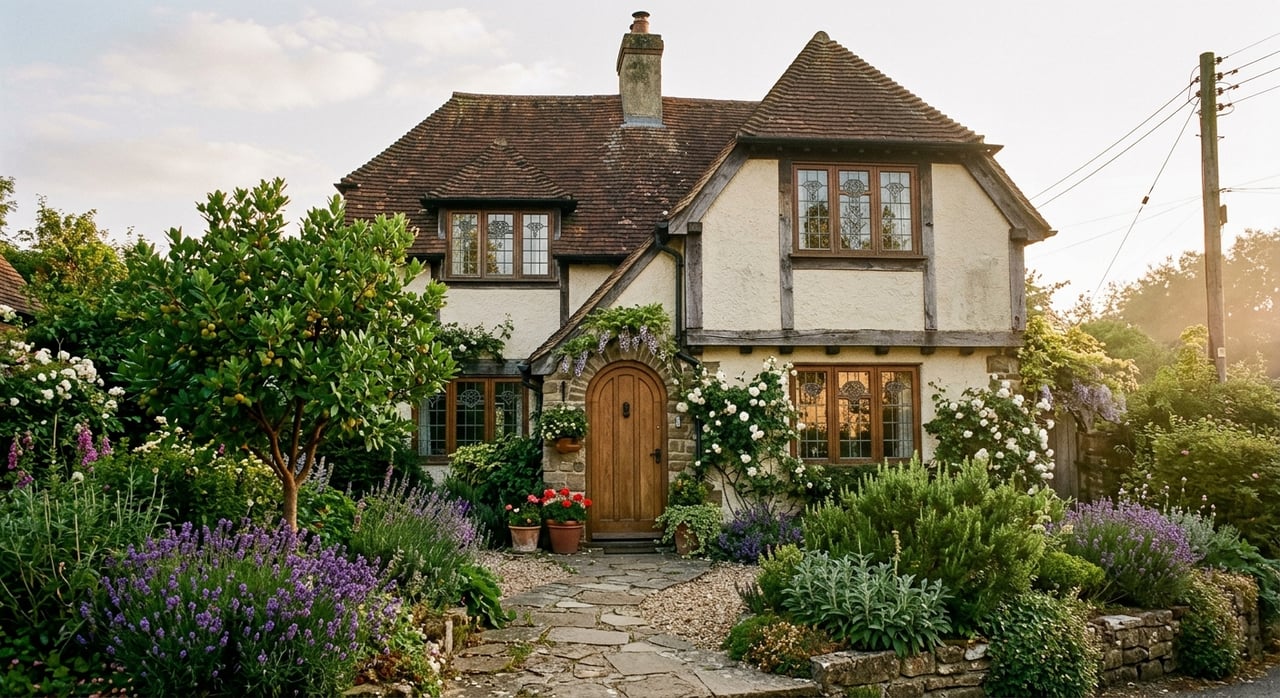
Silver Lake’s earlier residential development, especially from the 1910s through the 1930s, included a large number of Period Revival homes. SurveyLA notes that early construction in the district was largely Period Revival single-family housing, while bungalow courts commonly used Craftsman, Tudor Revival, or Spanish Colonial Revival styles.
As a buyer, you will often notice these homes feel more compartmentalized than later modernist properties. Materials, detailing, and room separation tend to play a bigger role in the experience. If you want character and a more defined floor plan, this part of Silver Lake’s inventory may appeal to you.
Modernist homes
Silver Lake is especially known for Early Modern, International Style, and Mid-Century Modern residences. SurveyLA identifies the neighborhood as one of Los Angeles’ most important concentrations of these homes and names architects such as Richard Neutra, Dion Neutra, R. M. Schindler, Raphael Soriano, John Lautner, Harwell Hamilton Harris, and A.E. Morris as key figures tied to the area.
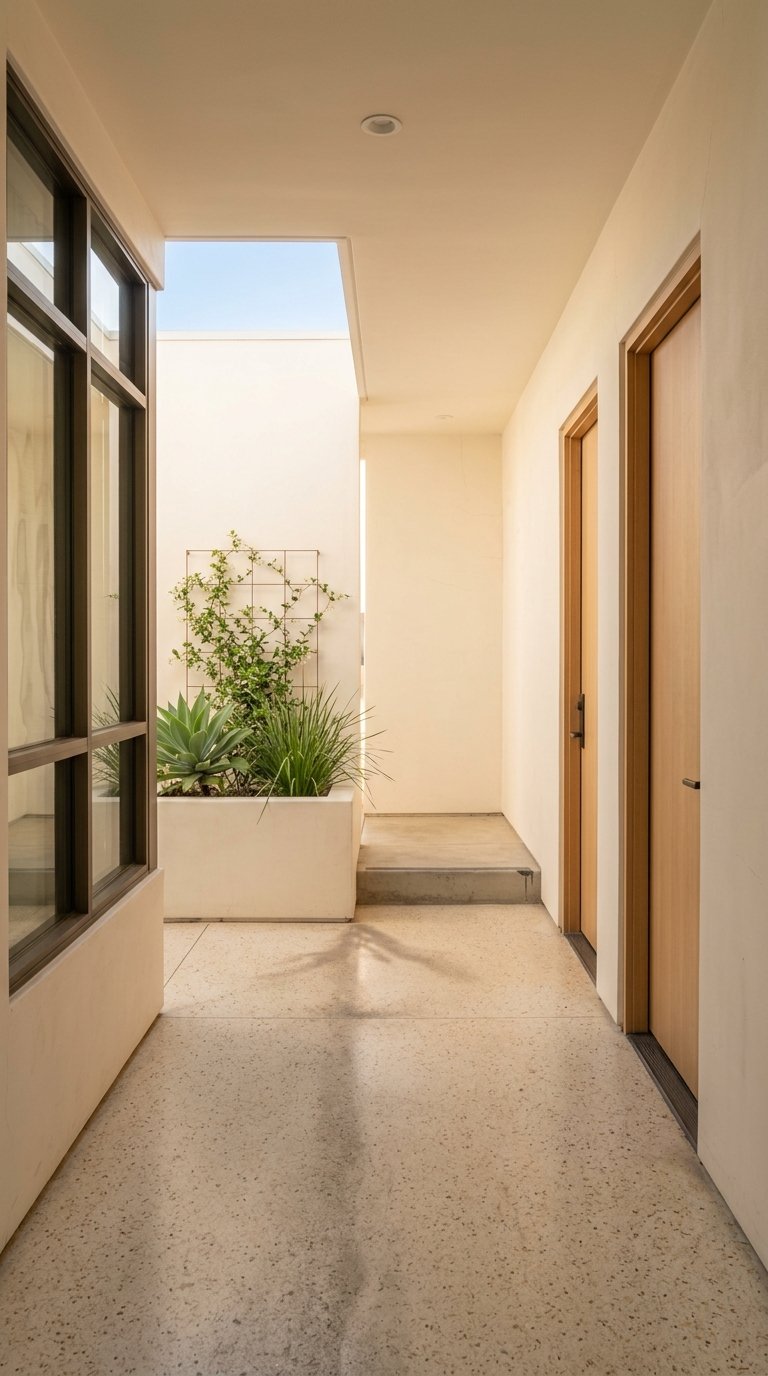
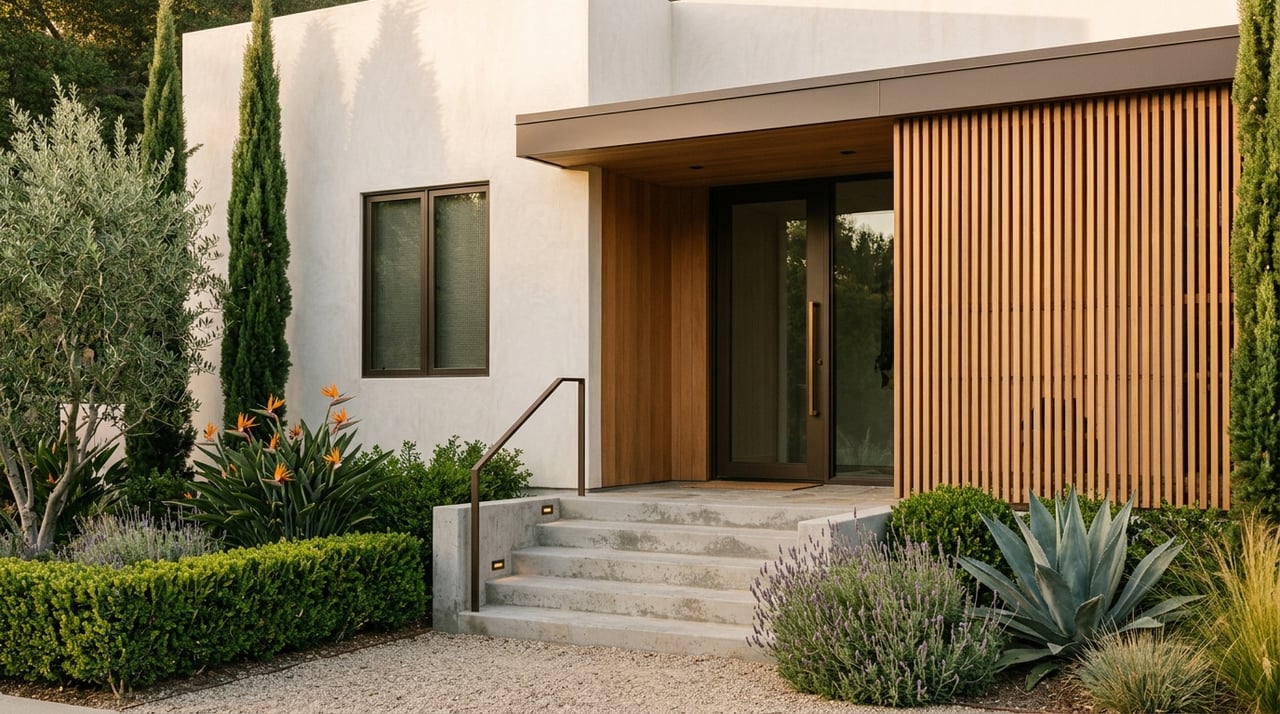
The city’s historic reporting on the Neutra Colony points to hallmarks like horizontal massing, simple geometric volumes, flat roofs, unornamented wall surfaces, and windows used as major compositional elements. In practical terms, these homes often prioritize light, proportion, and the connection between inside and outside over decorative detail.
Later hillside design
Silver Lake’s design story does not stop at midcentury. Later architect-designed hillside homes also shape the neighborhood’s identity. The work of Barton Choy in the 1970s, for example, reflects Silver Lake’s continued appeal for architects working with steep sites, strong geometry, and wood cladding.
For buyers, that means you may find architecturally interesting homes from multiple eras rather than one “correct” vintage. The better lens is to ask how well the house responds to its lot and whether the design still feels coherent.
How to read the floor plan
Look for site-driven design
Some of the strongest Silver Lake homes make sense the moment you understand the lot. Historic examples in the neighborhood show how architects used glass, built-ins, balconies, mirrors, and layered circulation to expand space while preserving privacy. Others step down steep sites in a way that separates uses without relying on heavy interior walls.
When you tour a home, pay attention to how you move from the street to the entry, from public rooms to private rooms, and from interior space to terraces or yard areas. In Silver Lake, that flow often tells you more than a polished kitchen finish ever will.
Study privacy and views together
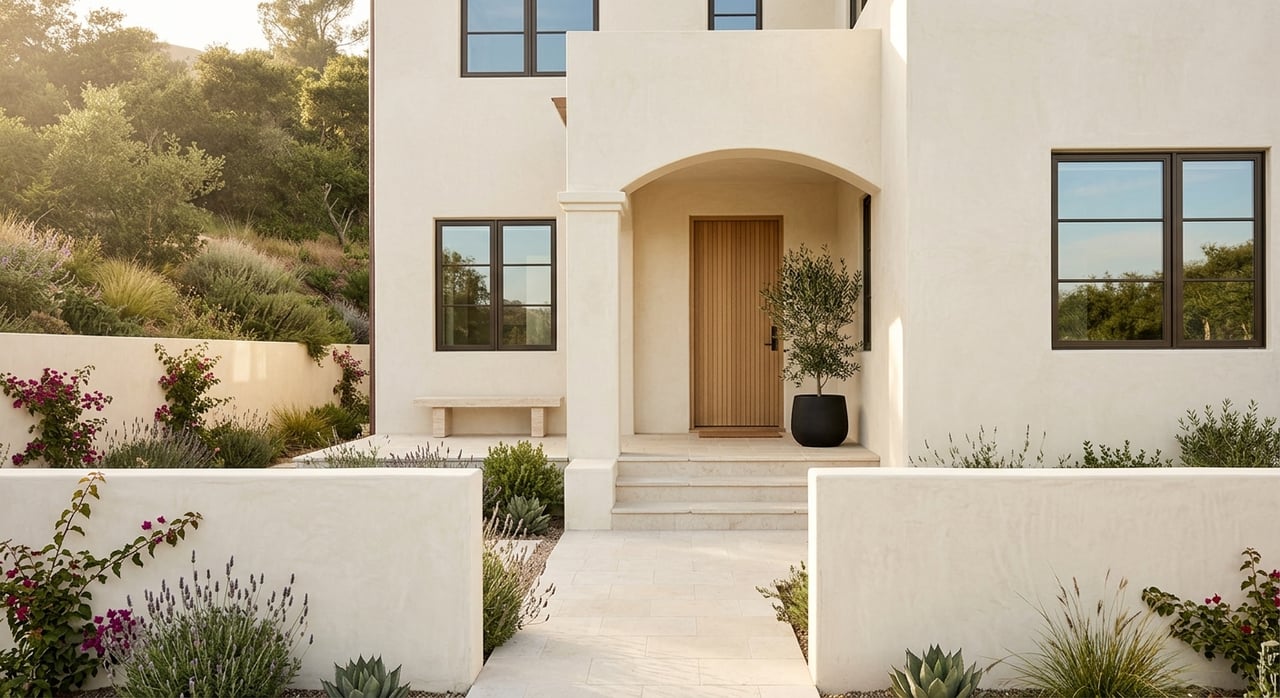
Many architect-designed homes here balance exposure and seclusion very carefully. SurveyLA notes that some properties have minimal setback with screening from mature vegetation or perimeter walls, making the arrival sequence and landscape part of the design value.
That is a useful clue for buyers. A home can have great light and views without feeling overly exposed if the original design handled sight lines well. If recent changes stripped away landscaping, replaced windows, or altered exterior walls, that balance may have shifted.
Watch for signs of lost integrity
If you are buying for architecture, integrity matters. SurveyLA flags changes such as window replacement, door replacement, cladding changes, and additions to primary facades or upper stories as common alterations that can affect a property’s architectural character.
This does not mean every altered house should be ruled out. It does mean you should look beyond staging and ask whether the design has been preserved, interrupted, or substantially reworked over time.
Silver Lake diligence matters more than usual
Hillside conditions come first
In Silver Lake, site work is not a minor detail. The Los Angeles Department of Building and Safety says grading permits are required for earthwork in the Hillside Grading Area, and soils and geology reports commonly address slope instability, earthquake-induced landslides, and liquefaction.
For you as a buyer, that makes retaining walls, drainage, cut-and-fill conditions, and prior grading records especially important. On a steep lot, the beauty of the setting and the technical side of the property go hand in hand.
Older materials need careful review
Because much of Silver Lake’s architecturally significant housing stock predates 1978, renovation planning should include a materials check. The EPA notes that pre-1978 housing is more likely to contain lead-based paint, and that renovation work like sanding or window replacement can create hazardous dust.
The EPA also states that asbestos cannot be identified reliably by sight and should be sampled before disturbing suspect materials. If you are considering updates, this is part of understanding the real scope of work before you close.
Historic status affects renovations
If the home is in a local historic district, your renovation path may be different than you expect. The City of Los Angeles says all exterior work in a local historic district, including landscaping, alterations, additions, new construction, paint, and other exterior changes, is subject to additional review.
The city also notes that interior remodeling does not require HPOZ approval. In some cases, HCMs and contributing properties in HPOZs may also be eligible for a Mills Act property tax reduction. For buyers, that means historic status can bring both constraints and potential benefits.
What adds long-term livability
The best architect-designed homes in Silver Lake usually do more than photograph well. They tend to balance views, privacy, circulation, and maintenance in a way that supports everyday life. That is especially true on hillside lots, where stairs, access, drainage, and outdoor upkeep can shape how the home feels over time.
A smart purchase is often the one where the design still works on an ordinary Tuesday, not just in listing photos. If the home has a strong relationship to the site and the core design remains intact, it is more likely to feel rewarding long after the move-in excitement fades.
A practical buying approach
Use this Silver Lake checklist
Before you move forward on an architect-designed home, focus on the fundamentals:
- Confirm how the home responds to the slope, street, and views
- Look for intact windows, doors, cladding, and primary facade composition
- Review retaining walls, drainage patterns, and signs of prior grading work
- Ask whether the property is in a local historic district or has another historic designation
- Evaluate whether recent renovations support or disrupt the original design
- Consider day-to-day circulation, privacy, and maintenance along with aesthetics
In Silver Lake, that checklist can help you separate a merely stylish property from one with real architectural value.
If you want a thoughtful edge in this kind of purchase, local context matters. A boutique search process, careful property review, and a clear eye for design integrity can make all the difference. If you are considering an architect-designed home in Silver Lake and want discreet, high-touch guidance, Sami Housman can help you evaluate the details that matter most.
FAQs
What makes a home architect-designed in Silver Lake?
- In Silver Lake, architect-designed homes typically show a clear relationship between the lot, floor plan, privacy, light, and outdoor space rather than relying only on cosmetic updates.
What architectural styles are common in Silver Lake?
- Silver Lake includes Period Revival, Early Modern, International Style, Mid-Century Modern, and later hillside design, according to SurveyLA and local preservation sources.
What should buyers inspect first in a Silver Lake hillside home?
- Buyers should pay close attention to retaining walls, drainage, cut-and-fill conditions, and any available grading, soils, or geology records because hillside stability is a major local diligence issue.
Can you remodel a historic home in Silver Lake?
- Yes, interior remodeling generally does not require HPOZ approval, but exterior work in a local historic district is subject to additional City of Los Angeles review.
How can buyers tell if a Silver Lake home has lost architectural integrity?
- Common warning signs include replaced windows or doors, altered cladding, and additions to primary facades or upper stories that interrupt the original design.
Are architect-designed homes in Silver Lake always single-family houses?
- No, architect-driven design in Silver Lake can also appear in bungalow courts, courtyard apartments, duplexes, triplexes, fourplexes, and other small multi-family properties.