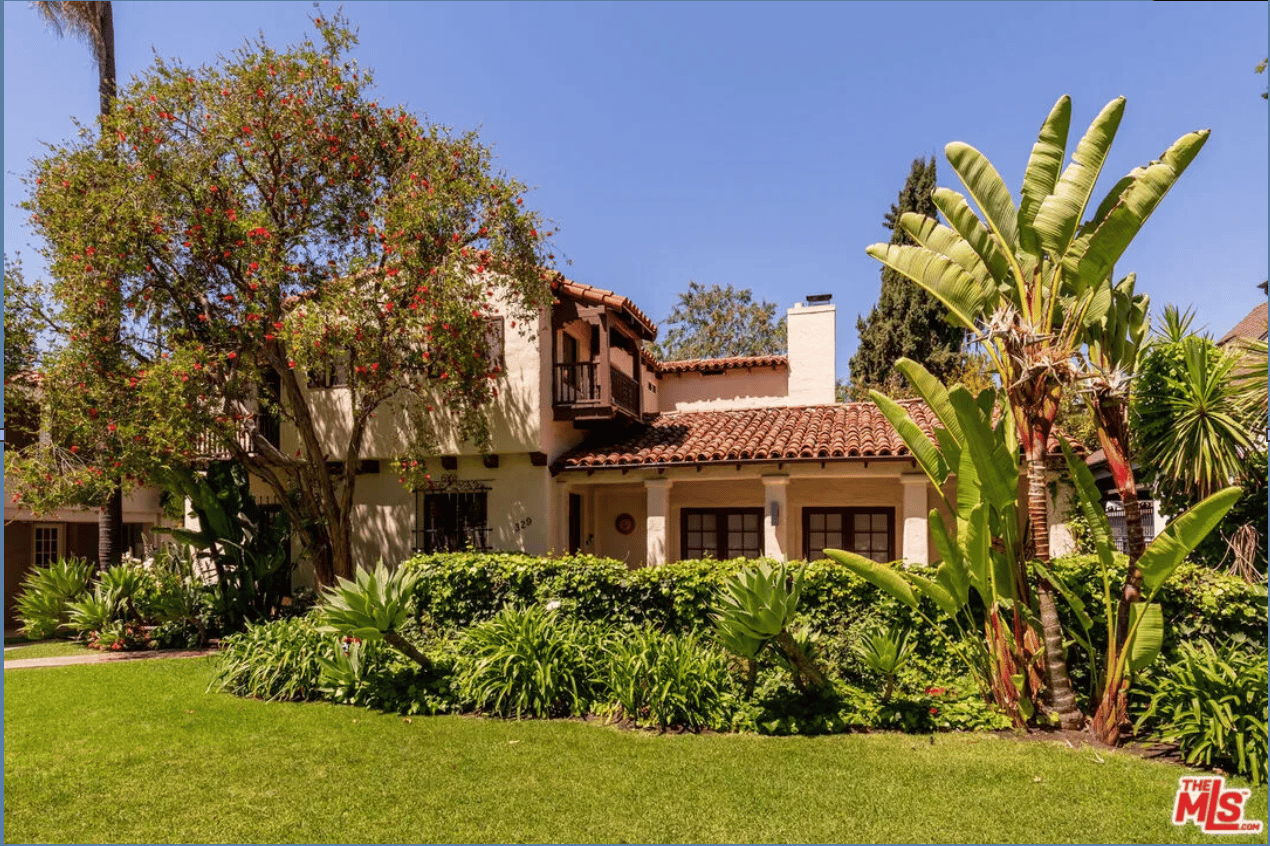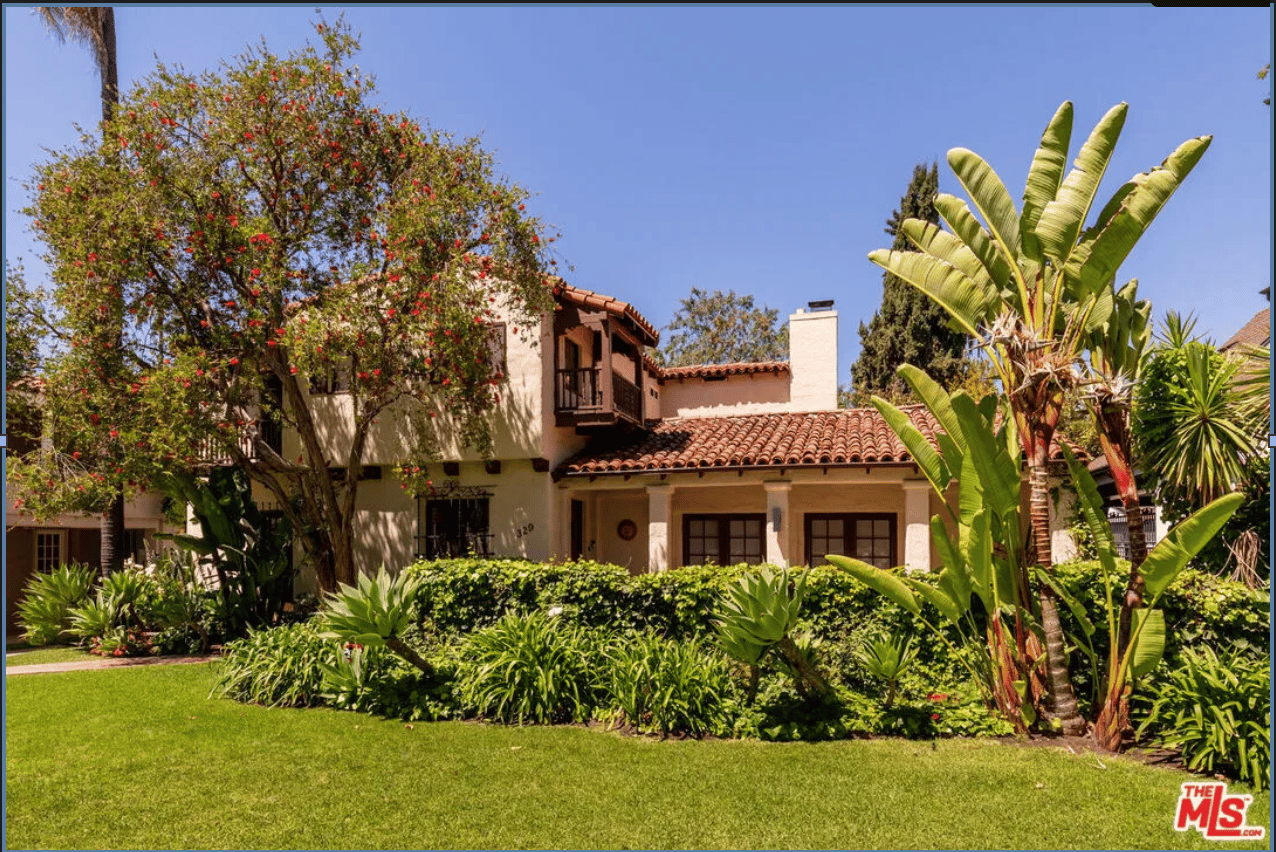
November is quieter in Los Angeles real estate. Some sellers prefer to wait until spring, and the possibility of Measure ULA transfer tax adds another calculation for owners of higher-value homes. But a slower season does not mean there are no buyers, or that a well-prepared home cannot sell.
The better question is whether your home, your timing and your financial goals line up with the buyers who are active now. In Hancock Park, Windsor Square, Larchmont Village and Fremont Place, that answer depends on the specific property, not the month on the calendar.
A quieter market, not an empty one
The latest published Hancock Park figures show a market with both resilience and more competition. In Q3 2026, the Sotheby’s International Realty market report reported a median sale price of $2.74 million, up 19% from Q3 2025. At the same time, closed sales were down 14%, inventory was up 66%, and average time on market was 39 days.
That combination matters. Values and buyer interest have not vanished, but sellers have more competition and may need to give buyers time to make a decision. A market with fewer transactions is not necessarily a market where every home must wait for spring. It is a market where pricing, condition and presentation have to make sense together.

Who is buying in November?
The buyers who keep looking through the holidays are not all the same, and they are not automatically ready to pay any price. Some have a firm reason to move: a job change, a family transition, a relocation or a lease ending. Others have been searching for months and are still comparing homes, neighborhoods and value.
In the $2.5 million-plus range, buyers tend to notice details that are easy to miss in a headline: whether the layout works for daily life, how much updating a home needs, the privacy of the lot, and how it compares with the other Hancock Park homes for sale. A home that is thoughtfully prepared and priced against its real competition can earn serious attention. The season itself cannot make an overpriced or poorly presented home compelling.
There may also be a practical advantage to listing now: fewer competing new listings than during a busy spring market. That does not guarantee more showings or a higher offer. It can, however, give a distinctive home more room to stand out. Particularly when its marketing tells a clear story about the house and the neighborhood.
What does “99.5% of list price” really tell you?
You may hear that Hancock Park homes are closing at roughly 99.5% of asking. That number can be meaningful for a particular group of properties or a specific time period, but it should not be treated as a promise for every seller. Sale-to-list figures vary by price range, property type, condition and the group of sales being measured.
The Q3 Hancock Park report cited above provides days on market and inventory, but not a 99.5% sale-to-list figure. Broader online market snapshots can use different boundaries and reporting periods, too. Before relying on any percentage, ask what homes are included, when they sold and whether the comparison is to the original list price or the final asking price.
For your home, the useful comparison is a set of relevant recent sales and current competition, not a neighborhood-wide average on its own. A restored home on a desirable block, a house needing substantial work and a property with unusual features are not interchangeable just because they share a neighborhood label.
The Measure ULA calculation deserves attention
For some sellers, Measure ULA is a significant part of the decision to list. The City of Los Angeles Office of Finance says that for transactions closing after June 30, 2026, the ULA rates are 4% for a property conveyed for more than $5.4 million and less than $10.9 million, and 5.5% for a conveyance of $10.9 million or more. The City’s 0.45% base transfer tax also applies, bringing the combined rates to 4.45% and 5.95%, respectively.
As a simplified illustration, a $7 million sale in the City of Los Angeles could face about $311,500 in combined city transfer taxes at those rates, before other selling costs. The actual calculation and applicability depend on the transaction, so confirm the numbers with your escrow officer and tax or legal advisers.
It is understandable that owners weigh that expense against the benefits of moving. ULA has become part of the conversation around whether and when to sell, as reported by The Real Deal. But delaying a sale does not automatically remove the tax. If the likely sale price crosses a threshold, evaluate your potential net proceeds and your plans, not just the tax line in isolation.

Is waiting until spring the safer choice?
Spring often brings more buyer activity, but it also brings more listings. Waiting may give you extra time to prepare, make repairs or coordinate a move. It also means accepting the possibility that comparable homes will come to market and compete for the same buyers.
Listing in November can make sense if your home is ready, your timing matters and your pricing strategy reflects the market today. Waiting may be the better decision if you need time to address major repairs, finish a renovation or make a move that is not yet workable. Neither choice is automatically right.
Before deciding, I would look closely at:
- Your likely net proceeds: Include transfer taxes where applicable, preparation costs and any costs associated with your next move.
- The home’s current competition: Compare condition, location, lot, architecture and pricing, not just square footage.
- The work needed before launch: Decide which repairs or improvements buyers will notice and which are unlikely to justify their cost.
- Your timeline: Consider whether a November launch and the resulting sale and escrow schedule fit your plans. A closing date is not guaranteed.
- Your tolerance for market time: The Q3 average of 39 days is context, not a prediction for an individual home.
The right season is the one that fits the house and the seller
I live in Hancock Park, on McCadden, and work in this neighborhood as a neighbor, not just as someone tracking listings. That local perspective matters when comparing a Hancock Park home with one in Windsor Square or Larchmont Village, where the block, setting and buyer priorities can be different. I work with buyers and sellers in the $2.5 million-plus range, and I prefer to build a plan around the property rather than a seasonal rule.
If you are weighing a November sale against a spring launch, I can help you assess the likely competition, prepare a pricing strategy and understand the questions to take to your tax and escrow professionals. You can also read more about the differences between Hancock Park and Windsor Square, or learn about our approach to buying or selling with Century City Connection.
A holiday listing is not automatically a mistake. It is a decision to make with current market evidence, a realistic view of costs and a clear sense of what comes next.
Sami Housman is a luxury real estate agent at Nourmand & Associates, specializing in Hancock Park and surrounding Los Angeles neighborhoods. DRE #02216206.