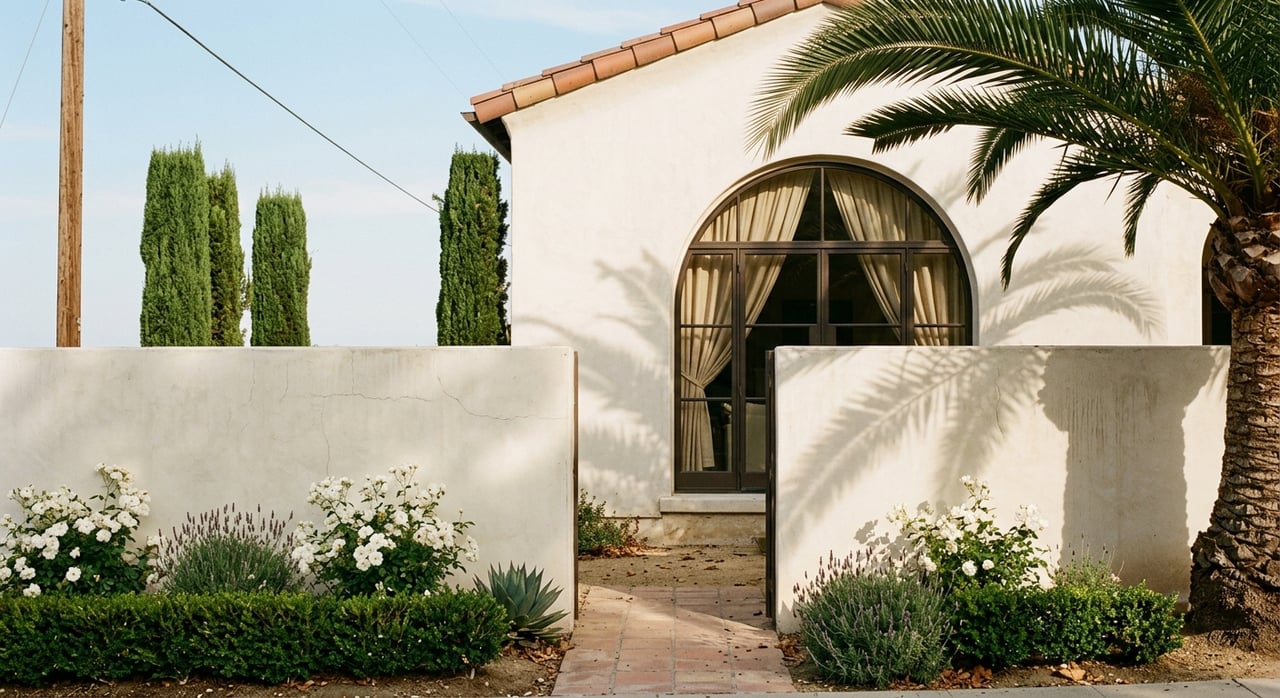
If your idea of luxury has shifted away from flash and toward ease, design, and access, Mid-City LA deserves a closer look. This part of Los Angeles does not sell itself with obvious spectacle, yet it keeps showing up in conversations about lifestyle, location, and long-term appeal. If you are wondering whether Mid-City could be emerging as a quieter kind of luxury hub, the answer is worth unpacking. Let’s dive in.
What “quiet luxury” means in Mid-City
In Mid-City, quiet luxury is less about headline-making towers or nightlife buzz and more about how daily life feels. The strongest case for the neighborhood comes from its central location, layered housing stock, cultural access, and growing transit options.
That framing fits because Mid-City is not one simple, fixed district. It functions more like a central overlap zone near Koreatown, West Adams, Mid-Wilshire, and La Cienega Heights, with Miracle Mile sitting along the midpoint of Wilshire Boulevard. In practice, that gives you a very Los Angeles version of luxury: convenience, character, and proximity.
Central location is the first luxury
One of Mid-City’s biggest advantages is that it feels connected in multiple directions. You are not choosing a remote pocket with one defining attraction. You are choosing a central base that puts museums, restaurants, shopping, and major cross-city routes within easier reach.
That kind of positioning matters more than ever for buyers and renters who want flexibility. In a city where traffic shapes daily decisions, being central can feel like a premium feature all by itself.
The D Line changed the conversation
As of May 8, 2026, Metro opened D Line Extension Section 1 with new stations at Wilshire/La Brea, Wilshire/Fairfax, and Wilshire/La Cienega. Metro says this gives Mid-Wilshire and Miracle Mile faster, traffic-free access to Koreatown, Downtown LA, and the wider Metro system.
Travel times help explain why this matters. Metro estimates about 14 minutes from Union Station to Wilshire/La Brea, 17 minutes to Wilshire/Fairfax, and 21 minutes to Wilshire/La Cienega. For many people, that does not make Mid-City fully car-free, but it does create real optionality.
Access feels practical, not performative
The appeal here is not that every errand becomes a walk or train ride. It is that you may have more than one workable way to move through the city depending on the day, the destination, and your exact block.
Metro also points to direct access from the new stations to Museum Row, The Grove, the Original Farmers Market, and several major cultural destinations along Wilshire. That kind of connected convenience is a strong part of Mid-City’s current momentum.
The housing tells a quieter story
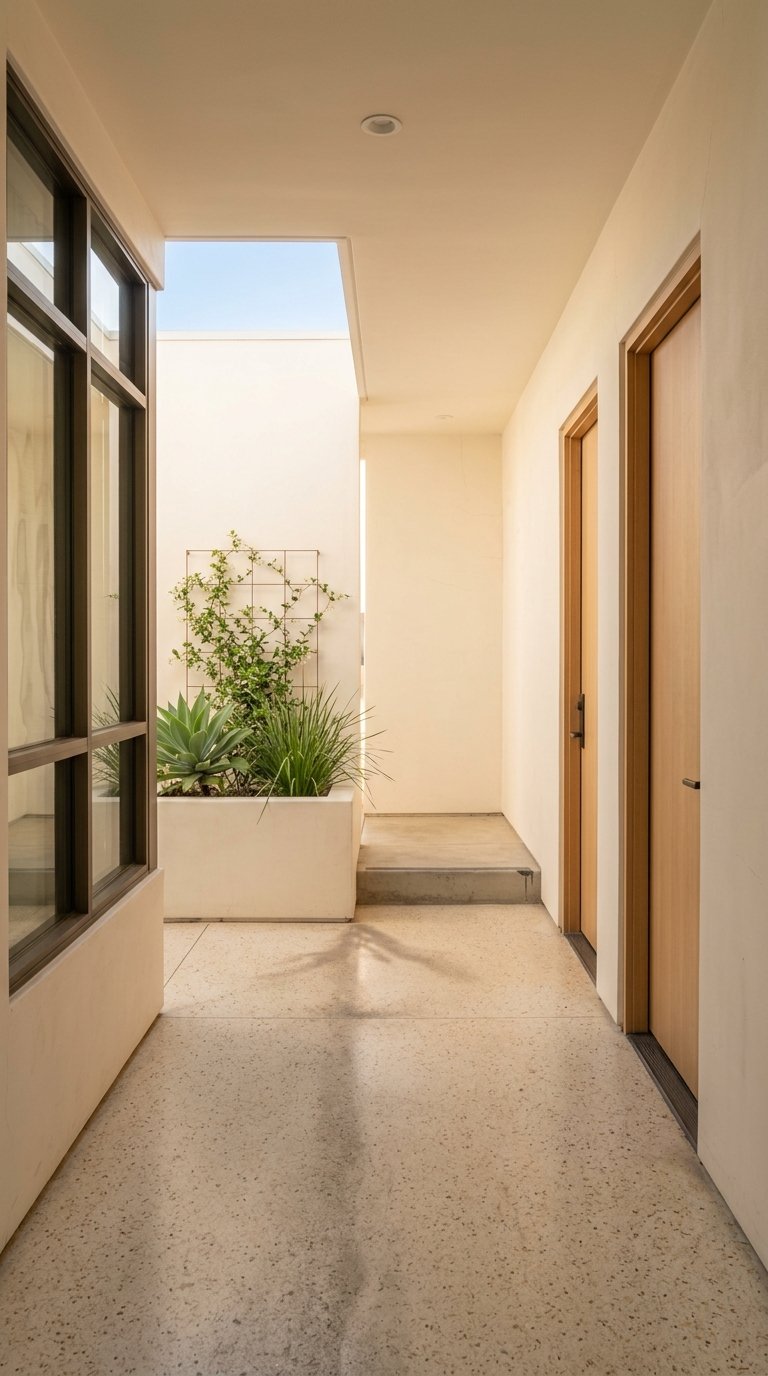
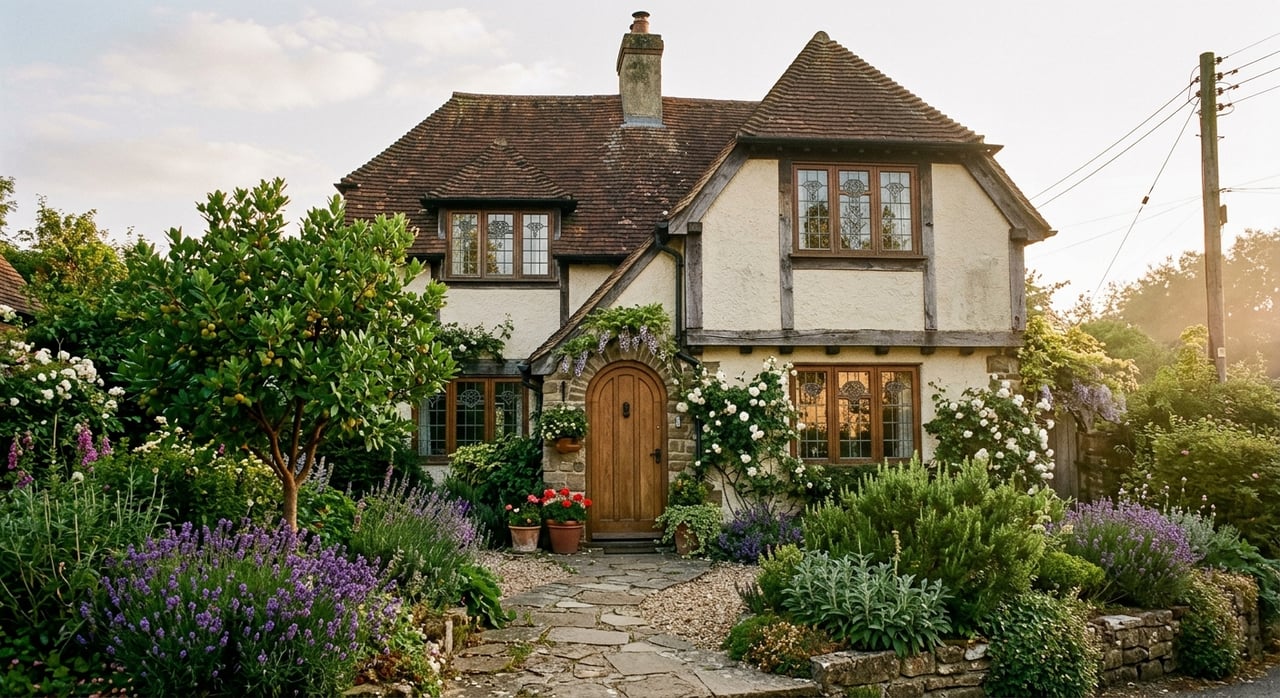
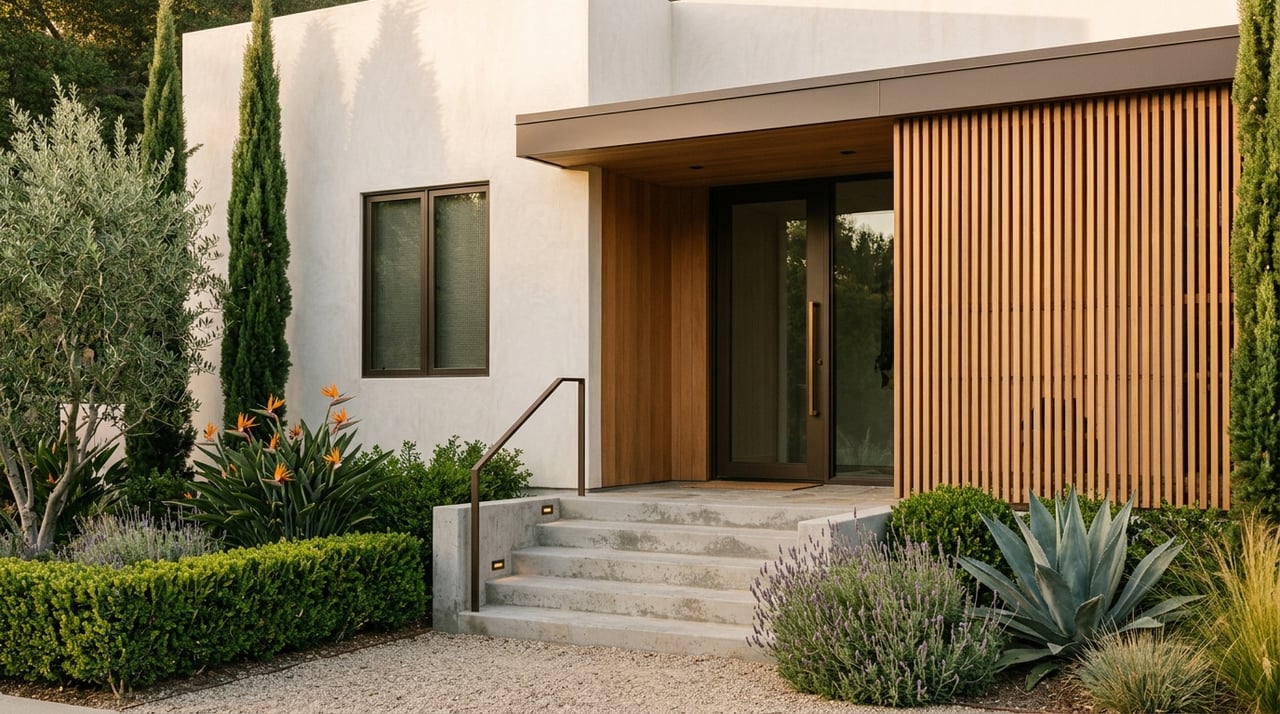
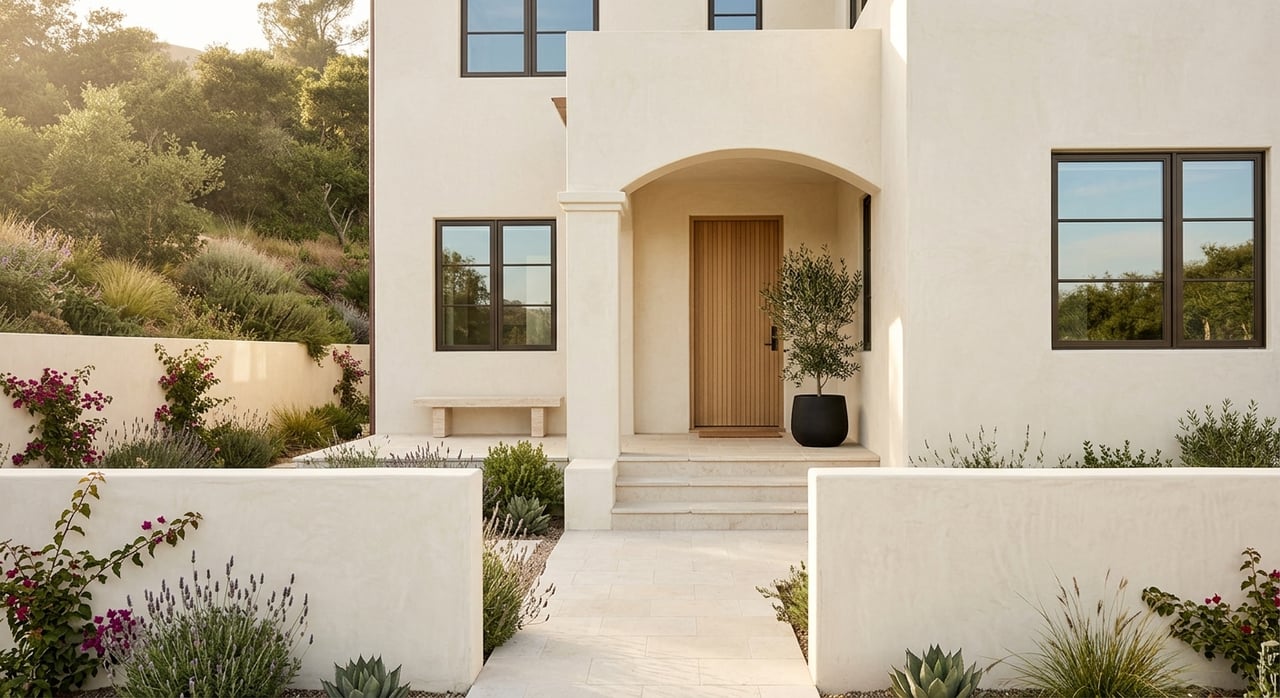
If Mid-City feels luxurious, it often does so through architecture and texture rather than scale. This is an area where courtyard entries, older low-rise buildings, and period details can carry more lifestyle appeal than overtly flashy new construction.
The Miracle Mile HPOZ includes 1,347 properties, and City Planning describes it as largely one-story single-family homes north of Olympic and one- and two-story multifamily properties south of Olympic. Period Revival styles are especially common, with some Minimal Traditional and Mid-Century Modern apartment buildings in the mix.
It is not just one housing type
A common question is whether Mid-City is mostly apartments. In many pockets, the area leans heavily multifamily, but it is not uniform.
The local housing fabric includes bungalow courts, garden apartments, courtyards, duplexes, and historic apartment districts. That range gives the neighborhood a more layered feel than buyers sometimes expect, and it also makes Mid-City relevant to both purchasers and renters.
Park La Brea shows the scale of rental demand
Park La Brea remains one of the area’s most recognizable rental communities. The Los Angeles Conservancy describes it as Los Angeles’ largest and best-known garden apartment community, with nearly 4,500 units.
Today, the property offers a mix of garden cottages, townhomes, and high-rise apartments for rent. That adds another dimension to Mid-City’s identity: it is not only a place to buy, but also a place where many people test out central LA living before making a longer-term move.
Culture is built into daily life
Another reason the quiet luxury framing works is that Mid-City offers cultural access without requiring a special occasion. Along Wilshire Boulevard, major institutions and everyday amenities sit unusually close together.
Metro lists Craft Contemporary, LACMA, the Petersen Automotive Museum, the Academy Museum of Motion Pictures, La Brea Tar Pits and Museum, and The Grove among nearby destinations around Wilshire/Fairfax. That concentration gives the neighborhood a built-in sense of richness that does not depend on status signaling.
Museum Row adds depth
For many buyers, luxury is about having meaningful places nearby that improve a normal week. Museum Row does exactly that. You can be close to globally recognized institutions while still living in an area that feels grounded in real daily routines.
Craft Contemporary, for example, has served Los Angeles for more than forty years in the historic Miracle Mile district. The Conservancy also notes that its building is one of the few remaining period-revival buildings in the area, which adds to the corridor’s architectural continuity.
Food and convenience make the area livable
Mid-City’s dining identity is one of its most appealing strengths. The restaurant mix reflects a wide cross-section of Los Angeles, including Jamaican, Southern, Creole, Mexican, Oaxacan, and Greek options, along with long-running local institutions and newer openings.
That matters because it supports a lifestyle that feels rich without feeling staged. Instead of relying on one polished commercial strip, Mid-City offers food density and variety that fit actual routines.
Walkability exists, but it is block by block
In the Museum Row and Miracle Mile core, there is a practical cluster of cafes, sit-down restaurants, and quick options within a short walk. LACMA’s neighborhood guide highlights places like Fanny’s, Meyers Manx Cafe, Descanso, Uovo, HiHo Cheeseburger, KazuNori, Tawanna Thai, India Sweets & Spices, Pho Saigon Pearl, and Lo/Cal Coffee & Market.
That supports a daytime-friendly pattern of living. You can meet a friend, grab coffee, run an errand, or visit a museum without turning the whole day into a production.
Outside those denser pockets, the experience changes. Mid-City walkability is real in certain clusters, but the broader area remains more dependent on your exact location, as well as a mix of driving and transit.
Outdoor space still plays a role
Quiet luxury also depends on balance. In a central part of Los Angeles, small but useful outdoor amenities can make a real difference in how a neighborhood feels.
Pan Pacific Park adds that layer with a jogging path, lighted courts, picnic tables, a play area, and a multipurpose field. It is not the only reason to consider Mid-City, but it supports a more rounded daily rhythm near some of the area’s busiest destinations.
So, is Mid-City actually quiet?
Not in the literal sense. Wilshire is one of the region’s busiest corridors, and this is still central Los Angeles.
But “quiet” here refers to how value shows up. Mid-City’s luxury signal comes through design, location efficiency, historic character, cultural access, and convenience rather than overt spectacle. That is exactly why the label feels increasingly relevant.
Why Mid-City has momentum now
The strongest case for Mid-City is not that it is trying to become a trophy neighborhood. It is that it offers a more grounded version of central LA prestige.
You have historic housing patterns, major cultural institutions, notable food density, and now stronger subway access along Wilshire. Put together, those elements make the neighborhood easier to understand and easier to recommend to buyers, sellers, and renters who want central access with substance.
For some clients, that combination will feel more durable than trend-driven buzz. It is polished, but it does not need to announce itself.
What this means if you are buying or selling
If you are buying in Mid-City, pay close attention to micro-location. A home near Museum Row or a new D Line station may offer a different day-to-day experience than one only a short drive away.
If you are selling, the strongest positioning is usually not about calling the area flashy or exclusive. It is about showing how the property connects to Mid-City’s real strengths: architecture, centrality, cultural access, and a lifestyle that feels curated without trying too hard.
That is also why nuanced neighborhood guidance matters here. Mid-City rewards buyers and sellers who understand block-by-block differences and how those details shape value, convenience, and fit.
If you are considering a move in Mid-City, working with a local expert who understands the area’s subtle advantages can make all the difference. For tailored guidance on buying, selling, or leasing in this part of Los Angeles, connect with Sami Housman.
FAQs
Is Mid-City LA mostly apartments?
- Mid-City includes a lot of multifamily housing in many pockets, but it is not all apartments. The area also includes one-story single-family homes, duplexes, bungalow courts, courtyard buildings, and larger rental communities like Park La Brea.
Is Mid-City LA walkable?
- In the Museum Row and Miracle Mile core, many restaurants, cafes, and cultural destinations are within a short walk. Outside those clusters, walkability becomes more dependent on the exact block and often works best with driving or transit.
Is Mid-City LA actually quiet?
- Not in a literal sense, since it is part of central Los Angeles and Wilshire Boulevard is a busy corridor. The “quiet luxury” idea is more about understated appeal through architecture, access, and convenience.
What gives Mid-City LA the most momentum right now?
- The D Line Extension is a major factor. New stations at Wilshire/La Brea, Wilshire/Fairfax, and Wilshire/La Cienega have improved subway access and made the area easier to navigate for many daily trips.
Why does Mid-City LA appeal to both buyers and renters?
- The neighborhood has a broad housing mix, central location, strong food scene, and major cultural destinations along Wilshire. That combination can work well for people looking to lease now and buy later, or for buyers who want a more connected central LA lifestyle.