If you are thinking about Mid-City Los Angeles, you are probably trying to answer one simple question: what does daily life there actually feel like? That is a smart question, because Mid-City is not a one-note neighborhood or a neatly packaged pocket of L.A. It is central, layered, active, and still evolving, which can be a real advantage if you want convenience and character in the same place. Here is what you can realistically expect from living in Mid-City, from housing and transit to food, culture, and the block-by-block feel. Let’s dive in.
Mid-City feels central and connected
One of the first things to know is that Mid-City is best understood as a broad central or west-central Los Angeles label, not a tiny enclave with perfectly fixed edges. In practice, the name often overlaps with places like Miracle Mile, La Brea-Fairfax, and Melrose. That fuzzy boundary is part of why the area can feel dynamic rather than boxed in.
Mid-City sits in a very useful part of Los Angeles. It is positioned for access to nearby areas like Beverly Hills, Century City, Hollywood, Koreatown, Downtown Los Angeles, and Culver City. If you want a home base that keeps a lot of the city within reach, that centrality is a big part of the appeal.
There is also a strong sense that this is a neighborhood in motion. Reporting from the Los Angeles Times describes Mid-City as a historically Black and Latino area with a long rail history and a current identity that is still changing. In day-to-day terms, that often means you are living in a place that feels established and active at the same time.
Housing in Mid-City is mixed
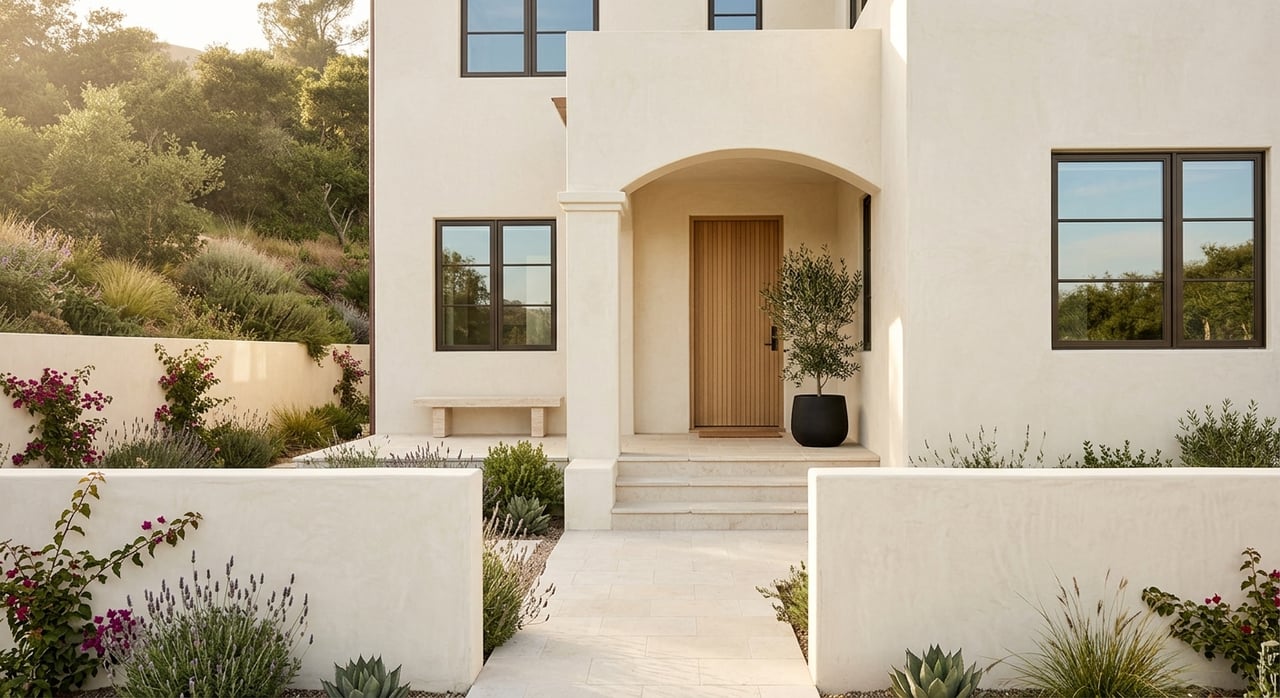
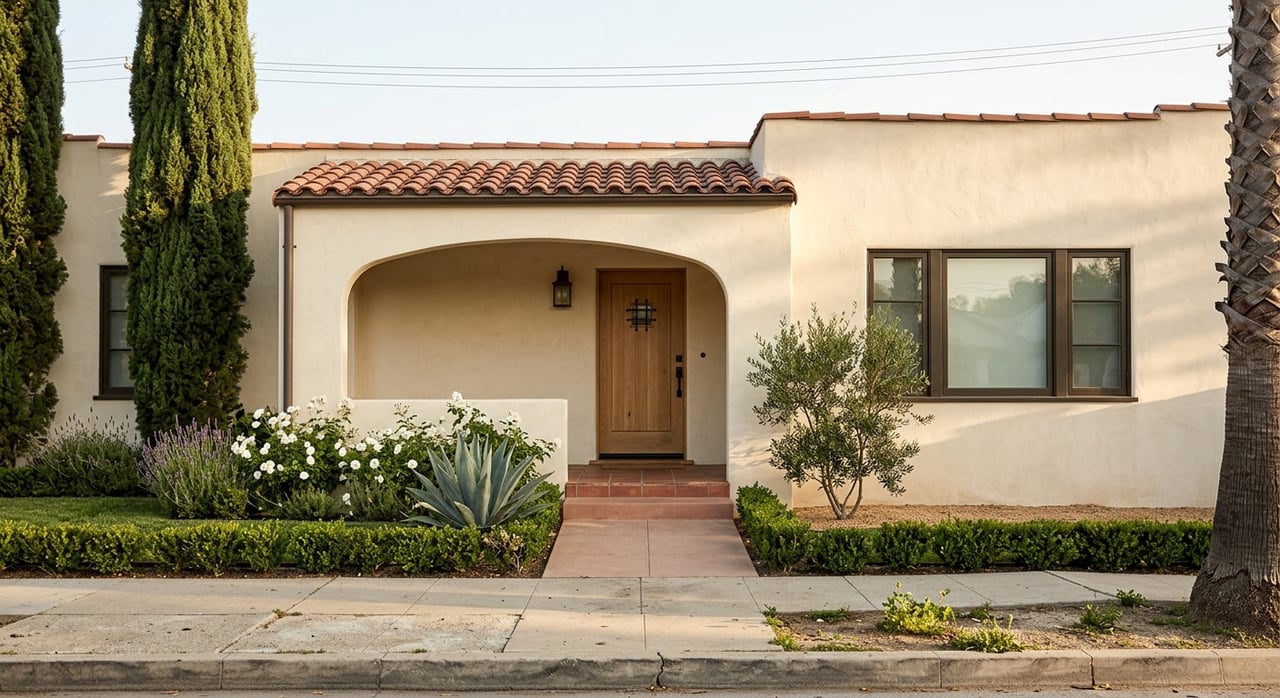
If you like architectural variety, Mid-City offers a lot to look at. Planning documents tied to Miracle Mile North describe a broad mix of Period Revival styles, including Spanish Colonial Revival, Colonial Revival, English Tudor, Mediterranean Revival, French Revival, and Monterey Revival. You will also find later styles like Art Deco and Streamline Moderne.
That variety continues with postwar housing types. The same planning materials note Minimal Traditional, Ranch, Mid-Century Modern, and dingbat-era apartment buildings. So when people say Mid-City has range, they are not exaggerating.
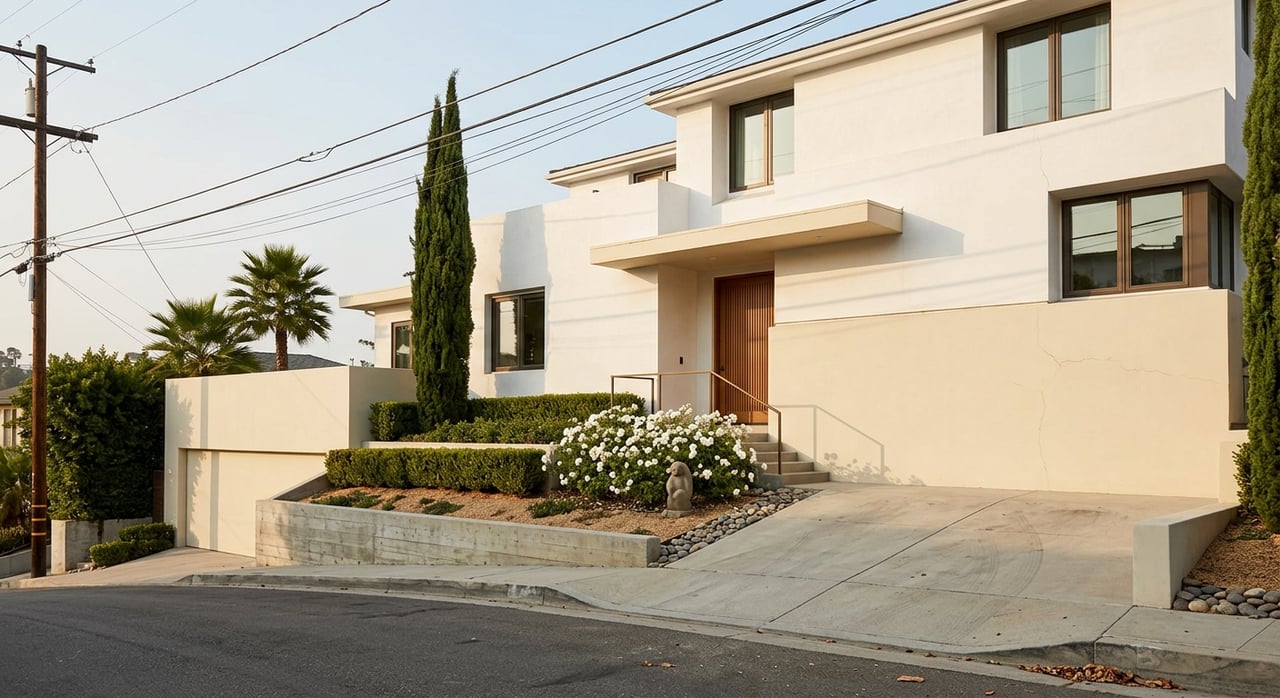
What does that mean for you as a resident? It usually means older single-family homes, apartment buildings, commercial corridors, and newer infill or higher-density projects can all exist within the broader area. One block may feel polished and historic, while the next feels more practical and urban.
That mix is part of the lifestyle. Mid-City does not present as overly uniform or curated from edge to edge. Instead, it offers a more lived-in Los Angeles experience, where architecture, redevelopment, and daily convenience all sit close together.
Daily life is amenity-rich
A big reason people are drawn to Mid-City is that you can do a lot without going far. The broader Mid-City and Miracle Mile area offers a local, eclectic cafe scene rather than one dominated by chains. Spots noted in local coverage include Paper or Plastik Cafe, Undergrind Cafe, Cafe Giverny, Hexi Los Angeles, Yuko Kitchen Miracle Mile, and Du-par’s at the Original Farmers Market.
The food landscape is also a major strength. Mid-City is closely tied to destinations and dining areas such as the Original Farmers Market, The Grove, Little Ethiopia, and Koreatown. Along La Brea, the commercial mix reflects the neighborhood’s layered identity, including a notable presence of Black-owned businesses highlighted by the Los Angeles Times.
That variety shapes how the neighborhood feels on a normal Tuesday, not just on weekends. You can run errands, grab coffee, meet a friend for lunch, and pick up dinner in a relatively compact radius. For many residents, that convenience is what makes Mid-City feel easy to live in.
Culture is part of the routine
Mid-City stands out because cultural destinations are woven into everyday life. The broader area includes major institutions and creative spaces like LACMA, the La Brea Tar Pits, Craft Contemporary, Holocaust Museum LA, BLUM, Fahey/Klein Gallery, The Hole, and Roberts Projects. Pan Pacific Park also adds open space to the mix.
This is not just a neighborhood where you drive somewhere else for something interesting to do. In Mid-City, a gallery visit, museum stop, or film outing can be part of your regular week. Brain Dead Studios adds to that with a cinema, cafe, and bookstore concept that reflects the area’s creative reuse of older buildings.
If you value a lifestyle that feels plugged into Los Angeles culture, Mid-City makes that easy. The area is active, visually interesting, and full of places that give the neighborhood texture. That can make ordinary routines feel more connected to the city around you.
Transit has improved the experience
Transit is one of the biggest practical shifts affecting life in and around Mid-City. Metro opened D Line Extension Section 1 on May 8, 2026, adding Wilshire/La Brea, Wilshire/Fairfax, and Wilshire/La Cienega stations. The project specifically connects Mid-Wilshire and Miracle Mile to Koreatown and Downtown Los Angeles.
For residents, that matters in a real way. It gives you more flexibility for east-west movement across the city and adds another option beyond driving. If your routine includes destinations along the Wilshire corridor, the new stations can make the neighborhood feel even more usable.
There is also a strong connection to the broader westside creative economy. Culver City identifies a local ecosystem tied to film studios, art galleries, performing arts, architecture, digital media, and post-production, including Sony Pictures Studios. Metro also notes that Culver City Station is served by the E Line and local bus service.
If you work in or around entertainment, media, design, or adjacent creative fields, Mid-City’s location can be especially practical. You are not living inside a single employment hub, but you are well positioned relative to several of them. That convenience is part of what gives the neighborhood a central, momentum-driven feel.
The tradeoff is a more urban feel
Mid-City offers convenience, but it does not usually read as quiet or secluded. The area’s corridor-oriented land use, commercial activity, and transit access all contribute to a more urban day-to-day experience. That can be a positive if you want energy and options close by.
The block-by-block variation is worth paying attention to. Some stretches feel more residential, while others lean more commercial or mixed-use. If you are considering a move, this is one of those Los Angeles neighborhoods where the exact pocket matters a lot.
That is also why Mid-City tends to appeal to people who want flexibility. You may be looking for architectural character, easier access to museums and dining, or a location that keeps multiple parts of L.A. within reach. Mid-City can deliver those things, but the right fit often comes down to matching your routine to the right block.
Who Mid-City is best for
Mid-City can be a strong fit if you want Los Angeles to feel close at hand. It suits people who value centrality, cultural access, and a neighborhood that has both established character and ongoing change. If you like areas that feel polished but not overly precious, Mid-City often lands in that sweet spot.
It can also work well if you appreciate housing variety. Whether you are drawn to an older home with architectural detail, a classic apartment building, or a newer residential option near commercial corridors, the area gives you more than one version of city living.
On the other hand, if your priority is a very quiet, insulated environment, Mid-City may feel busier than you want. The appeal here is not isolation. It is access, texture, and the ability to move through your day with a lot of Los Angeles within easy reach.
What it really feels like
So what is it really like to live in Mid-City Los Angeles? In the most grounded sense, it feels compact, connected, culturally layered, and active. You are surrounded by a mix of old and new, from revival-style homes and postwar apartments to museums, cafes, commercial strips, and transit improvements that make the neighborhood more functional than before.
It is a place where the city shows up in your daily routine. You can feel the history, see the development, and benefit from the location all at once. For many buyers, sellers, and renters, that combination is exactly what makes Mid-City compelling.
If you are weighing Mid-City against other central Los Angeles neighborhoods, the best next step is to look at specific pockets through the lens of your actual lifestyle. If you want thoughtful guidance on where Mid-City fits into your search or sale strategy, Sami Housman offers a highly personalized, boutique experience across central and west L.A.
FAQs
What is Mid-City Los Angeles known for?
- Mid-City is known for its central location, varied architecture, cultural destinations, eclectic food and cafe scene, and easy access to nearby parts of Los Angeles like Miracle Mile, Koreatown, Downtown, and Culver City.
What kind of homes are in Mid-City Los Angeles?
- Mid-City includes a mix of older single-family homes, apartment buildings, postwar housing, commercial corridors, and newer infill or higher-density residential projects, with styles ranging from Spanish Colonial Revival to Mid-Century Modern.
Is Mid-City Los Angeles walkable for daily errands?
- In many parts of the broader Mid-City and Miracle Mile area, daily life can feel convenient because coffee shops, dining, retail, and cultural destinations are located within a relatively compact radius.
How has transit changed in Mid-City Los Angeles?
- Metro’s D Line Extension Section 1 opened in 2026 with new stations at Wilshire/La Brea, Wilshire/Fairfax, and Wilshire/La Cienega, improving connections to Koreatown and Downtown Los Angeles.
Is Mid-City Los Angeles quiet or busy?
- Mid-City generally feels more urban and active than quiet or secluded, especially along commercial and transit corridors, though the feel can vary quite a bit from one block to the next.
Is Mid-City Los Angeles a good fit for creative professionals?
- Mid-City can be a practical choice for creative professionals because of its central location, cultural density, improved transit, and access to the broader westside creative economy, including Culver City’s studio and media ecosystem.