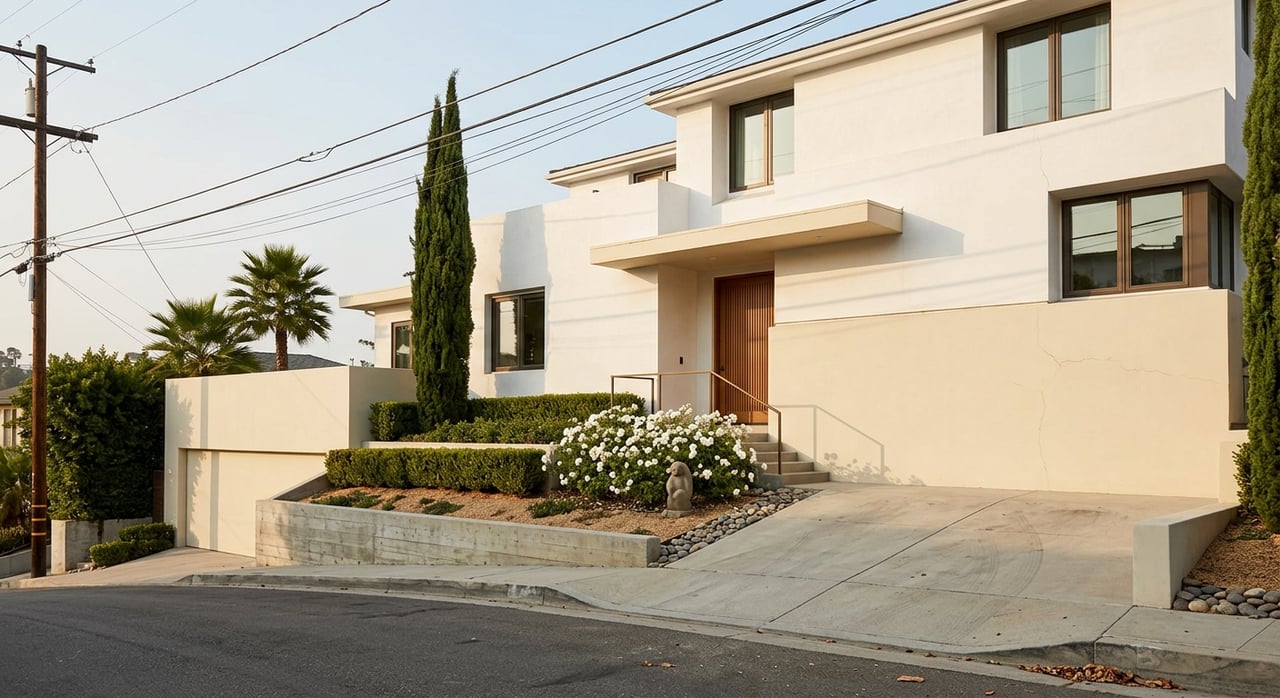
If you have ever looked at two homes in the Hollywood Hills with similar square footage and wildly different daily realities, you already understand the core truth of this market: the street can matter as much as the house. Buyers often come in thinking Hollywood Hills is one neighborhood, but on the ground it works more like a collection of canyons, ridge roads, historic enclaves, and view-driven pockets. If you know how those differences show up in access, privacy, design rules, and everyday living, you can buy with much more confidence. Let’s dive in.
Why Hollywood Hills Feels So Fragmented
The Hollywood Community Plan, updated in January 2025, reinforces what local buyers usually discover quickly: Hollywood Hills is better understood as a group of micro-pockets, not one uniform area. City planning maps and local area definitions break the hills into distinct sections such as Hollywood Knolls, Cahuenga Pass, Whitley Heights/Cahuenga East, Hollywood Heights, Outpost/Cahuenga West, Nichols Canyon/Runyon Canyon/Wattles, Mt. Olympus/Laurel Canyon, and Briar Summit/Woodrow Wilson/Mulholland Drive.
That matters because each pocket tends to offer a different version of hillside living. Some streets prioritize historic character and charm, while others are shaped more by views, lot exposure, privacy, and access conditions.
Canyons vs. Ridges for Buyers
Canyon streets, ridge lots, and scenic corridor streets are not interchangeable. In canyon pockets, streets often follow the terrain, which creates a more enclosed and organic feel. On ridge and view streets, buyers tend to focus more on sightlines, exposure, and whether surrounding development could affect the view experience.
Los Angeles planning rules reflect that difference. The Mulholland Scenic Parkway was adopted to protect scenic views and the natural character of Mulholland Drive, while the Hollywoodland Specific Plan protects ridgelines, narrow winding streets, and hillside character.
What canyon living usually feels like
Canyon areas often feel greener, more tucked away, and more topography-driven. The tradeoff is that approach roads, parking, and access can become a bigger part of your daily routine.
A simple buyer rule of thumb is this: the steeper and narrower the street, the more likely logistics will matter later. That can affect move-ins, renovations, guest parking, and how easy the home feels to use day to day.
What ridge living usually feels like
Ridge and upper-hills pockets often draw buyers who care most about views, privacy, and a stronger sense of separation from the city below. These homes can feel like entirely different assets because lot geometry, view corridors, and development rules play such a large role.
In these areas, the value conversation usually goes beyond square footage. View quality, usable outdoor pad, access friction, and how protected the sightlines feel can all shape how a home is perceived.
Key Hollywood Hills Micro-Areas
Beachwood Canyon and Hollywoodland
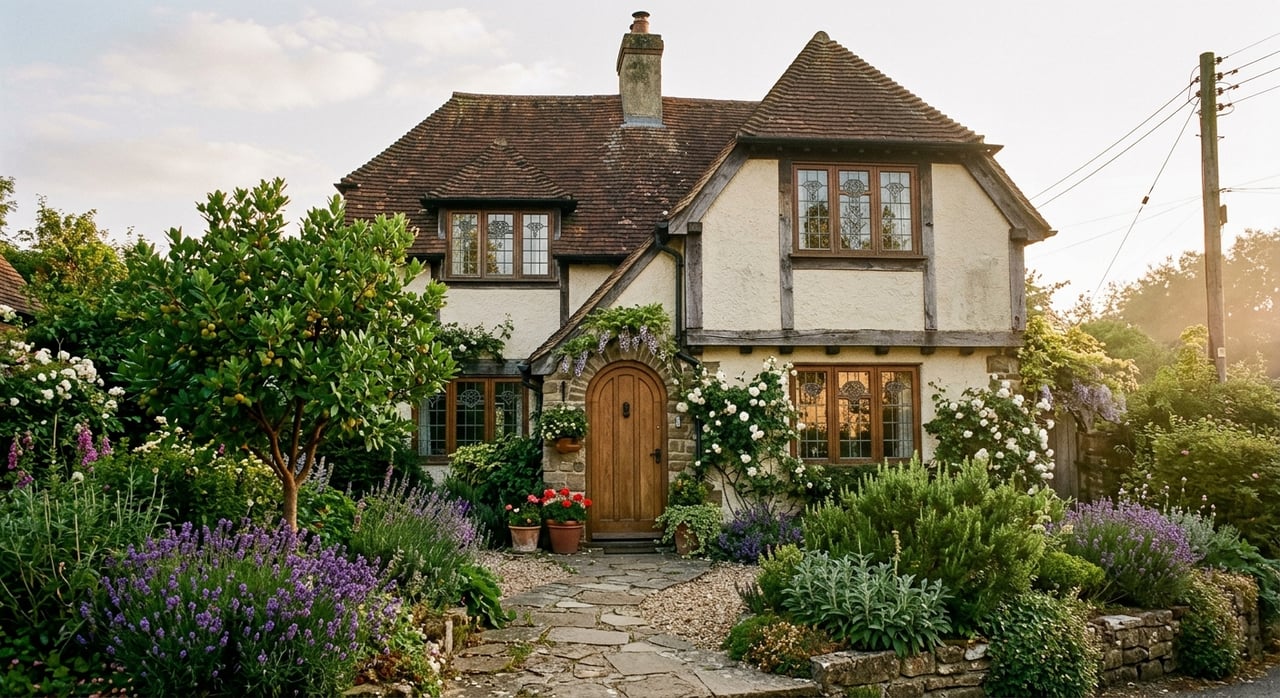
If you want the most classic hillside storybook feel, this is one of the clearest places to start. The Hollywoodland plan describes the area as a custom-home, single-family community with panoramic ridgeline views and a "European Village" character, with traditional Mediterranean, English, French, and villa-style architecture.
For buyers, this pocket often delivers strong identity and architectural charm. It also comes with practical considerations, since the plan includes parking and street-improvement requirements tied to road width, which is a useful shorthand for everyday logistics.
Buyer takeaway
Expect atmosphere, character, and a true hillside setting. Also expect road conditions and access details to matter more here than they might in flatter parts of Los Angeles.
Hollywood Heights, Whitley Heights, and Hollywood Grove
These are some of the more historic, foothill-adjacent pockets near the Hollywood core. Hollywood Heights is known for stairways, paths, permit parking, and a mix of ranch, Tuscan Mediterranean, and a few mid-century Wright houses. Whitley Heights is a hillside district north of Franklin with mostly 1918 to 1928 Mediterranean-village architecture.
Hollywood Grove has a more traditional subdivision feel, with Craftsman and American Colonial Revival bungalows and wider front yards. For buyers who want hillside character with closer-in convenience, these pockets often come up as natural comparables.
Buyer takeaway
These areas can offer a more walkable and historic feel than deeper canyon or upper-ridge locations. You should still pay close attention to parking, access, and any overlay rules that may affect future exterior changes.
Outpost Estates and Cahuenga West
Outpost Estates tends to read more like a planned hillside village than a raw canyon. SurveyLA describes it as a 1920s Charles E. Toberman development with paved streets, drainage grading, underground utilities, decorative trees and lampposts, and original Spanish Colonial Revival and Mediterranean Revival architecture.
That planning history still matters to buyers today. This pocket has long appealed to people who want a hillside setting with relatively direct access to central Hollywood.
Buyer takeaway
If you want hillside atmosphere without feeling too remote, Outpost and nearby Cahuenga West may deserve a close look. Buyers often respond to the balance of character, layout, and convenience here.
Cahuenga Pass and Universal City area
This area functions less like a pure residential enclave and more like an access corridor. Local neighborhood council materials describe a mix that includes Universal City, the Universal Metro station, hotels, Cahuenga Boulevard West, and nearby homes between Lankershim and Mulholland.
Recurring issues in the area have included short-term rentals, tour buses, and nearby development impacts. For buyers, that usually means traffic patterns, entry routes, and overall access can weigh just as heavily as the home itself.
Buyer takeaway
If your schedule requires easy cross-city movement, this location may be appealing. Just make sure you evaluate the house in real traffic conditions, not only during a quiet showing window.
Nichols Canyon, Runyon, and Wattles
These canyon slopes are shaped in part by park adjacency. Local records and neighborhood council materials point to recurring parking and access concerns around Runyon Canyon, and they also document a 2017 closure on Nichols Canyon Road tied to a landslide.
That gives this pocket a very specific rhythm. It can feel active, green, and trail-adjacent, but also more sensitive to congestion, parking pressure, and occasional street interruptions.
Buyer takeaway
If you want canyon greenery and immediate access to outdoor space, this area stands out. You should also look carefully at street flow, guest parking, and whether the access pattern will work for your day-to-day routine.
Mt. Olympus, Laurel Canyon, Briar Summit, and Mulholland
These ridge and upper-canyon pockets are where view preservation and traffic control become central buyer issues. Neighborhood council materials note ongoing concerns around cross-mountain traffic, speeding, fire prevention, and new home development.
On top of that, Mulholland Scenic Parkway rules add another layer of protection around views, right-of-way impacts, and landscape character. In practical terms, buyers here should expect the relationship between the home and the surrounding streetscape to matter a great deal.
Buyer takeaway
If your priority is a strong view-street identity, this is where to focus. These homes often trade on privacy, outlook, and exposure, but they also require close review of access, regulations, and nearby building activity.
Architecture and Overlay Rules
Across the Hollywood Hills, you will see a wide range of housing styles. The mix includes Craftsman, American Colonial Revival, Period Revival bungalows, Spanish Colonial Revival, Mediterranean, ranch, mid-century, and modern custom homes.
In general, older foothill and historic pockets skew toward early 20th-century architecture, while ridge streets and scenic corridors tend to have larger custom homes and remodels organized around views, privacy, and lot geometry. That split helps explain why homes that look close together on a map can feel very different in person.
Why historic overlays matter
Los Angeles City Planning states that HPOZs require new projects to complement historic character and place exterior work under additional review. In this part of Los Angeles, the overlay stack can include Hollywoodland, Mulholland Scenic Parkway, Hillside Construction Regulation, and Whitley Heights, among others.
For buyers, the practical takeaway is straightforward. In protected pockets, you should expect more design review, fewer easy cosmetic shortcuts, and more attention to materials, massing, and landscaping.
Access, Fire Standards, and Daily Use
In the Hollywood Hills, access is not a side issue. LAFD reviews streets and fire lanes for width, turnarounds, turning radii, grades, parking restrictions, overhead clearances, load capacity, and secured entrances. The department also requires that security gates not reduce fire access below 20 feet free and clear.
Brush clearance is required in Very High Fire Hazard Severity Zones, and LAFD guidance emphasizes defensible space, home hardening, evacuation planning, and keeping a vehicle positioned for a quick exit. This does not mean every home will feel difficult to own. It does mean buyers should evaluate access and preparedness as part of the property itself.
A smart buyer checklist
When touring homes in the hills, pay extra attention to:
- Street width and turning ease
- Guest parking and permit restrictions
- Driveway slope and entry sequence
- Gate placement and access clearance
- Signs of brush management and exterior maintenance
- Whether the lot feels usable beyond the view
- How long the approach feels in real traffic
What Really Drives Value Here
In many flatter neighborhoods, buyers can lean more heavily on square footage and finish level. In the Hollywood Hills, value is usually shaped more by view quality, usable pad, access friction, privacy, and maintenance burden.
That is why a ridge lot with an open view and easier staging can feel very different from a canyon lot with a steeper approach, tighter parking, and more construction constraints. Both can be beautiful. They simply appeal to different buyers and often trade as different kinds of assets.
How to Narrow Your Search
If you are trying to focus your search more efficiently, it helps to start with the lifestyle you want rather than the zip code alone.
- For classic hillside charm, start with Hollywoodland, Whitley Heights, and Hollywood Grove.
- For a stronger view-street identity, focus on Mulholland-adjacent ridge pockets.
- For closer-in convenience with historic character, compare Outpost/Cahuenga West and parts of Hollywood Heights.
- For canyon greenery and trail adjacency, look closely at Nichols Canyon and Runyon-adjacent streets.
The biggest advantage is clarity. Once you know whether you prefer enclosed canyon atmosphere, planned hillside neighborhoods, or ridge-top exposure, the Hollywood Hills starts to make much more sense.
Buying here is rarely about finding a generic "Hollywood Hills home." It is about finding the right micro-pocket, the right street, and the right daily rhythm for how you actually live. If you want a discreet, highly tailored approach to that search, Sami Housman offers private buyer guidance rooted in real street-level knowledge of the Hills.
FAQs
What makes one Hollywood Hills pocket feel different from another?
- The biggest differences usually come from topography, street layout, access, architecture, historic overlays, and whether the area is more canyon-like, foothill-adjacent, or ridge-driven.
What should buyers know about canyon streets in Hollywood Hills?
- Canyon streets often feel greener and more enclosed, but they may also bring narrower roads, steeper approaches, tighter parking, and more complicated renovation or move-in logistics.
What should buyers know about ridge homes in Hollywood Hills?
- Ridge homes are often evaluated more for views, privacy, lot exposure, and how surrounding rules or future development may affect sightlines and overall setting.
Do historic overlays affect Hollywood Hills homes?
- Yes. In protected areas, exterior work may face added design review, and buyers should expect greater attention to neighborhood character, materials, massing, and landscaping.
Why does access matter so much when buying in Hollywood Hills?
- Access affects daily convenience, guest experience, parking, emergency vehicle clearance, and the practical use of the home over time, especially on steeper or narrower hillside streets.
Which Hollywood Hills areas are best for classic character?
- Buyers often start with Hollywoodland, Whitley Heights, and Hollywood Grove when they want strong historic character and a more classic hillside feel.