If you are thinking about selling in Los Feliz, the biggest mistake is waiting until you are ready to list before you start preparing. In this market, polished homes can still stand out, but strong results usually come from thoughtful planning, not a rushed launch. With the right timeline, you can reduce stress, tighten your pricing strategy, and bring your home to market in a way that feels intentional. Let’s dive in.
Why timing matters in Los Feliz
Los Feliz is not behaving like a fast, low-prep market right now. Redfin reported a March 2026 median sale price of $2,225,000, a median of 148 days on market, and a sale-to-list ratio of 102.3%. It also reported that 30.3% of homes sold above list price, which tells you something important: buyers will still compete for the right home, but presentation and pricing matter.
That combination creates a clear takeaway for sellers. You may have room to achieve a strong result, but your home needs to feel market-ready from day one. In a neighborhood where buyers notice architecture, condition, and story, a rushed listing can leave money on the table.
Start 6 to 12 months out
If your goal is to sell within the next six to twelve months, this is the ideal time to begin. Early planning gives you space to make informed decisions instead of reactive ones. It also helps you avoid last-minute surprises that can delay your launch.
Begin with pricing and a property review
Your first step should be a consultation built around pricing, timing, and the condition of your home. This is the stage to walk the property with a critical eye and focus on deferred maintenance, not just cosmetic updates. A realistic strategy early on helps you decide what is worth fixing, what can be left alone, and how to prioritize your budget.
For many Los Feliz sellers, this is where clarity starts. You are not just asking, “What is my home worth?” You are also asking, “What will help this property show at its best when it hits the market?”
Gather paperwork early
Before listing, it helps to organize the documents buyers are likely to ask about. That can include repair invoices, permits, warranties, and title-related paperwork. Having these materials ready early can make disclosure prep smoother and help your transaction stay organized once offers come in.
In California, the Transfer Disclosure Statement applies to most single-family residential transfers. The seller must deliver the completed written statement as soon as practicable before transfer of title. If disclosures are delivered after an offer is executed, the buyer may have a short termination window, which is why starting this work well before launch is so important.
Check zoning and overlay issues
Los Feliz has character, and with that can come property-specific planning considerations. Los Angeles City Planning says ZIMAS provides zoning, planning application, and building permit history. It also identifies overlays, including Historic Preservation Overlay Zones, which may affect exterior alterations or additions in designated districts.
If you are considering any pre-list exterior work, this is the moment to confirm whether your parcel is subject to additional review. Finding that out early is much easier than discovering it while you are trying to stay on a photography schedule.
Review hazard and lead disclosures
Some disclosures are easy to overlook until they become urgent. Under California Civil Code section 1103, sellers must disclose if the property is in certain mapped hazard areas, including special flood hazard areas, very high fire hazard severity zones, earthquake fault zones, seismic hazard zones, or wildland fire zones, when the statute’s knowledge or notice conditions are met.
The California Geological Survey also states that mapped seismic hazard and earthquake fault zone facts must be disclosed. If your home was built before 1978, federal lead-based paint rules add another early step. Sellers must disclose known lead-based paint information before the contract is signed, provide the required EPA pamphlet, and give buyers a 10-day inspection period unless that period is waived in writing.
Use 2 to 4 months for prep
Once the early due diligence is handled, the next phase is getting the home ready for the market. This is where strategy turns visible. The goal is not to over-renovate. It is to remove friction, sharpen presentation, and help buyers connect with the home immediately.
Focus on the highest-impact updates
According to the 2025 NAR home staging report, the most commonly recommended seller steps were decluttering, whole-home cleaning, and curb appeal improvements. Specifically, 91% of agents recommended decluttering, 88% recommended cleaning, and 77% recommended improving curb appeal.
That makes this window ideal for practical, low-friction work such as:
- Deep cleaning
- Paint touch-ups
- Hardware swaps
- Landscaping refreshes
- Repairing obvious cosmetic issues
- Simplifying and editing each room
These improvements are often more valuable than highly personalized upgrades. They help buyers focus on the home itself, not the to-do list.
Stage the rooms that matter most
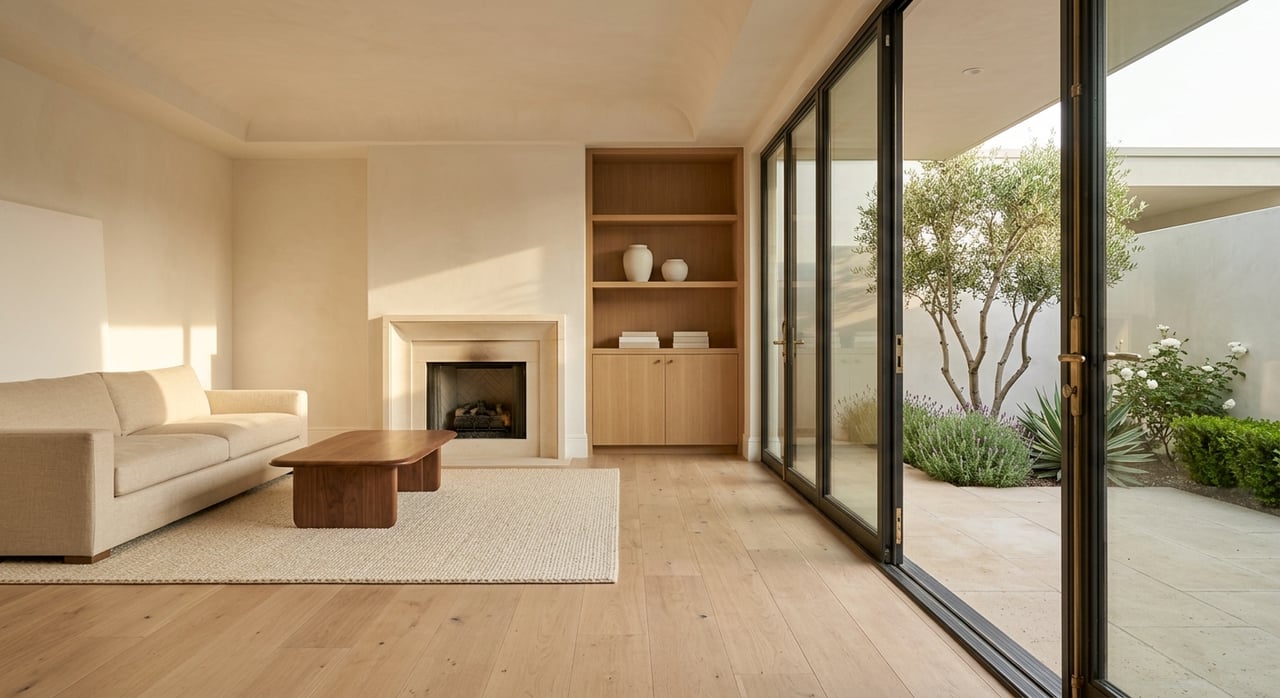
Staging works best when it is thoughtful and targeted. In NAR’s report, buyers responded most strongly to staging in the living room, primary bedroom, and kitchen. These are the rooms where buyers tend to form their first emotional impression of the home.
The same report found that 83% of buyers’ agents said staging made it easier for buyers to visualize the property as a future home. It also found that 29% of agents said staging increased offered value by 1% to 10%, while 49% of sellers’ agents said staging reduced time on market.
For budgeting purposes, NAR reported a national median staging cost of $1,500 in 2025. That is best used as a general planning benchmark, not a Los Feliz-specific estimate.
Finish the prep before media day
In a visual market like Los Feliz, listing media is not an afterthought. It is part of the sales strategy. NAR found that photos, physical staging, videos, and virtual tours were all considered important by buyers’ agents.
That means photography, video, floor plans, and any virtual tour assets should happen only after the home is fully cleaned, edited, and staged. If you shoot too early, you risk creating marketing that does not reflect the home at its best.
Launch month: bring everything together
When listing month arrives, the work you did in advance starts to pay off. At this stage, your focus should be on clean execution: final pricing, strong media, organized disclosures, and a clear plan for showings and offer review.
Price with both data and presentation in mind
Los Feliz market data shows that not every home is moving quickly, but well-positioned listings can still outperform. With a 102.3% sale-to-list ratio and 30.3% of homes selling above list price, the market can reward homes that feel special, complete, and well introduced.
That is why pricing should never happen in isolation. Your pricing strategy should reflect current market conditions, property condition, buyer expectations, and the quality of the launch itself.
Make your online debut count
NAR found that 73% of buyers’ agents considered photos important, and 31% said buyers were more willing to walk through a home they saw online. In practical terms, this means your first impression often happens before a buyer ever sets foot inside.
For a Los Feliz property, great visuals do more than document the home. They help communicate scale, light, layout, and mood. That matters in a neighborhood where buyers are often comparing presentation as much as square footage.
Review offers carefully
Once offers arrive, the highest number is not always the strongest offer. California Department of Real Estate guidance notes that offers can include contingencies and special conditions related to financing, repairs, inspections, pest issues, and home warranties.
A careful review should look at the whole package, including terms, timing, and the likelihood of closing smoothly. This is also where early disclosure preparation can help. Under California Civil Code section 1102.3, late delivery of required disclosures can create buyer termination rights measured in days, which can add avoidable friction at exactly the wrong moment.
Plan for closing costs and transfer taxes
As you get closer to closing, remember to account for local transfer taxes. The City of Los Angeles imposes a base real property transfer tax of 0.45%. Measure ULA can add an additional tax on certain high-value conveyances, and the city notes that those thresholds are adjusted annually, with scheduled changes taking effect after June 30, 2026.
Because tax treatment can affect your net proceeds, it is smart to confirm the current structure with escrow before finalizing your expectations. That way, your sale strategy is grounded in real numbers, not assumptions.
A simple Los Feliz seller timeline
If you want a practical framework, here is a clean way to think about your timeline.
6 to 12 months before listing
- Meet with your agent to discuss timing, pricing, and home condition
- Review deferred maintenance and decide what is worth addressing
- Gather permits, invoices, warranties, and title-related documents
- Check ZIMAS for zoning, permit history, and overlay information
- Identify required hazard and lead disclosures where applicable
2 to 4 months before listing
- Declutter and simplify the home
- Deep clean and improve curb appeal
- Complete light repairs and cosmetic touch-ups
- Stage key rooms, especially the living room, primary bedroom, and kitchen
- Finalize the home’s look before photos and video are scheduled
Launch month
- Complete photography, video, floor plans, and marketing assets
- Finalize pricing based on market data and presentation
- Prepare disclosures before going live whenever possible
- Review offers based on both price and terms
- Confirm closing costs, including transfer taxes, with escrow
The advantage of starting early
A well-timed Los Feliz listing rarely feels accidental. It feels calm, cohesive, and ready. Starting early gives you room to make better decisions, present your home with intention, and move through the transaction with less last-minute pressure.
If you are considering a sale in the next six to twelve months, a private planning conversation can help you understand what to do now, what can wait, and how to position your home for the strongest possible launch. When the details are handled early, the listing process tends to feel much more manageable.
If you’re planning to list in Los Feliz and want a discreet, highly tailored strategy, Sami Housman offers a boutique, white-glove approach from prep through closing.
FAQs
How early should you start preparing to sell a Los Feliz home?
- If you are targeting a sale within six to twelve months, that is a smart time to begin. Early planning gives you time for pricing strategy, disclosures, due diligence, repairs, staging, and media preparation.
What prep makes the biggest difference before listing a Los Feliz home?
- The highest-impact steps are usually decluttering, deep cleaning, curb appeal work, targeted staging, and strong listing photography. NAR’s 2025 report points to these as key presentation tools that can help buyers connect with the home.
What local issues can delay a Los Feliz home listing?
- Parcel-specific overlay rules, historic review requirements, hazard disclosures, pre-1978 lead-based paint rules, and transfer tax coordination can all add time if they are discovered late in the process.
Why should Los Feliz sellers complete disclosures before going on market?
- In California, delayed delivery of required disclosures can create buyer termination rights in certain situations. Preparing disclosures early can help reduce friction during offer review and escrow.
How important is staging for a Los Feliz home sale?
- Staging can be very helpful, especially in a presentation-driven market. NAR reported that 83% of buyers’ agents said staging made it easier for buyers to visualize a property, and many agents also said staging can improve value perception and reduce time on market.