Wondering whether a Mid-City small-lot home is more like a house, a condo, or something in between? You are not alone. In Los Angeles, this housing type can offer a compelling path to ownership, but the details matter more than many buyers expect. If you are considering one in Mid-City, here is what to look for before you move forward.
What a Small-Lot Home Is
In Los Angeles, small-lot homes were created through the City’s Small Lot Subdivision Ordinance. The City describes them as fee-simple homes on smaller lots in multifamily and commercial zones, designed as an infill alternative to more traditional suburban-style subdivisions. In plain English, that means they were built to fit urban neighborhoods more efficiently.
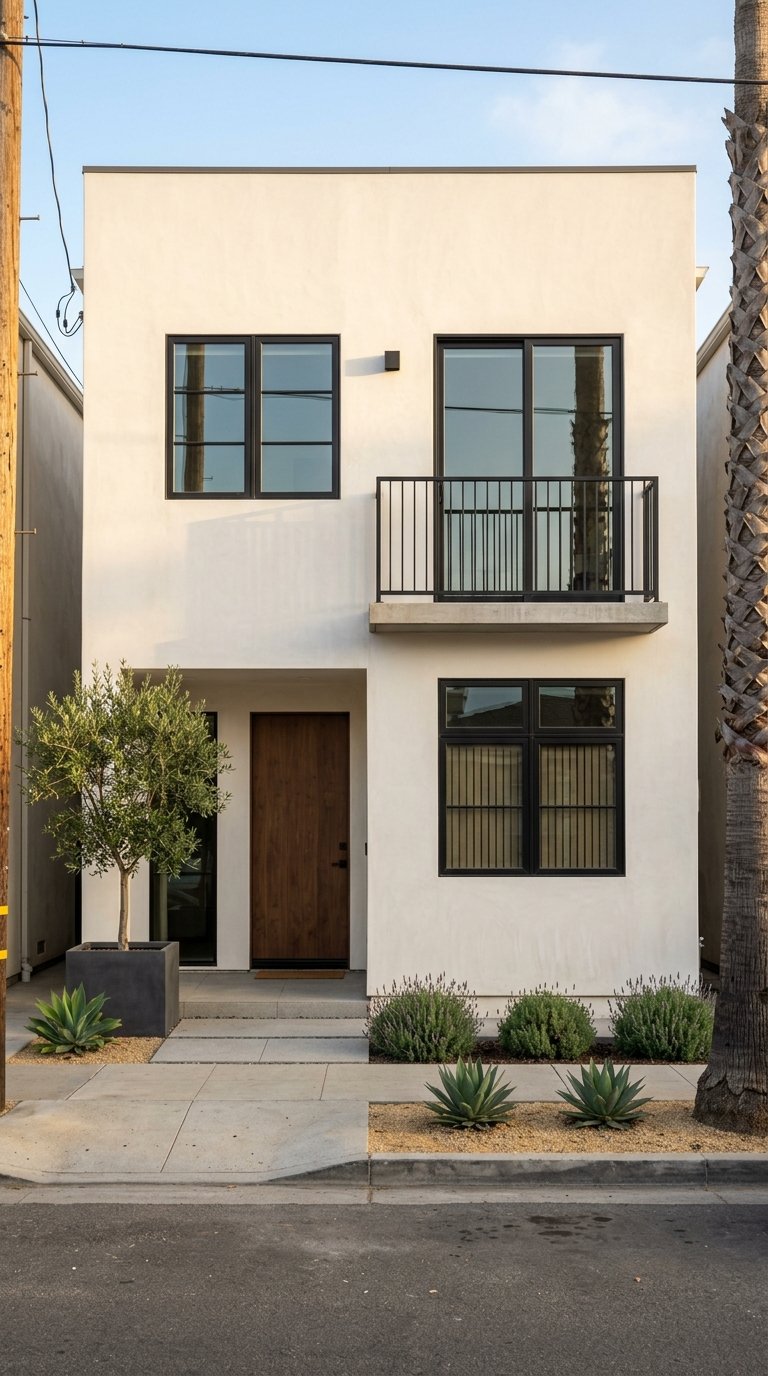
That distinction matters in Mid-City. These homes are typically more compact, more site-specific, and more influenced by the shape and access of the parcel than a standard detached house. Los Angeles also updated the design standards for this product to improve how projects fit their surrounding context.
How Small-Lot Homes Differ From Condos
A small-lot home is not automatically a condo. Under the City ordinance, this product is intended to create an alternative form of fee-simple ownership, while California law defines a condominium as an undivided interest in common property paired with a separate interest in a unit.
For you as a buyer, that usually means you may own both the home and the lot beneath it. At the same time, the project may still include shared driveways, access easements, walkways, landscaping, or other common elements. So while the ownership structure can feel more like a house, the day-to-day obligations may still include association rules and shared maintenance.
Why the Exact Mid-City Site Matters
With small-lot homes, the parcel often matters as much as the floor plan. According to the City’s design standards and subdivision standards, projects still need to align with the General Plan, Community Plans, and any applicable overlays or adopted standards.
That means two homes in the same broader Mid-City area can live very differently. Access, setbacks, layout, privacy, and open space can all shift based on the specific lot and approval conditions. It is one reason a careful, property-by-property review is so important with this housing type.
What to Expect From the Layout
Small-lot homes follow a different design logic than a traditional single-family home. Current Los Angeles rules require a minimum lot width of 18 feet and a minimum lot area of 600 square feet, with access to the home and required parking from a public or private street, alley, or access easement.
Inside an approved small-lot subdivision, interior lot lines do not require front, side, or rear yards, though perimeter setbacks still apply. That can allow for a more efficient site plan, but it also means the feel of the home depends heavily on how well the project was designed.
The City’s design standards aim to make these homes feel more like individual houses. Primary entries should face a street, alley, or connected pedestrian path. Each home should also have a defined entry with lighting and a landing area, and adjacent entries must be separated by at least 8 feet.
Parking Deserves a Close Look
Parking is one of the biggest practical issues in any small-lot project. City rules require required parking to be accessible from a street, alley, or access easement, and parking is treated as part of the overall site plan, not a stand-alone feature.
That is why you should look beyond whether the listing says “attached garage.” You will want to understand how easy it is to enter and exit, how guest parking works, and whether circulation through the project feels intuitive or tight. In a compact Mid-City development, parking convenience can shape your daily experience more than square footage alone.
Outdoor Space Is Often Compact, Not Absent
Many buyers assume a small-lot home means giving up outdoor space altogether. That is not necessarily the case. The City standards call for at least 300 square feet of common open space, and that area cannot simply be made up of driveways, parking stalls, or pedestrian paths.
Some homes may also include small porches, patios, or roof decks. If a roof deck faces neighboring residential uses, the standards require a 5-foot setback for privacy. For buyers in Mid-City, the key question is not just whether outdoor space exists, but whether it is private, shared, or primarily rooftop-based.
Newer and Older Small-Lot Inventory
Not every small-lot home is newly built. City documents allow certain existing dwellings, bungalow courts, and older single-, duplex-, and triplex-type structures to be subdivided into small lots in some cases.
That means your options may include a newer townhome-style development or a more preservation-minded property that has been reconfigured for small-lot ownership. If you are comparing homes, it helps to know whether you are evaluating new construction standards, an older approval, or a property with a more adaptive-reuse feel.
HOA and Maintenance Questions to Ask
Even when a small-lot home is fee simple, shared obligations are common. The City’s small-lot policy materials note that many projects use a maintenance association to manage items like landscaping, trash areas, driveways, walkways, parking areas, and in some cases private fire-hydrant service.
Owners and future owners typically become members automatically and share maintenance costs proportionately. Recorded covenants for reciprocal private easements may also be part of the structure. That means you should understand not just your home, but also exactly what you are agreeing to maintain with others.
Review the Documents Carefully
If the property is part of a common interest development, California law requires important disclosures before transfer. Under Civil Code Section 4525, the seller must provide governing documents, the latest annual budget report, a summary of assessments and unpaid amounts, and certain violation notices.
Those documents are not just paperwork. They can tell you how the project is run, whether dues appear sufficient, and whether there are unresolved issues within the community. For a small-lot purchase, they are central to understanding the real cost and structure of ownership.
Pay Attention to Reserves and Insurance
The annual budget report is especially important. California Civil Code Section 5300 says the report must include a pro forma operating budget, reserve summaries, the reserve funding plan, and statements about deferred repairs or likely special assessments.
The same reporting framework also includes an insurance summary. That matters because HOA insurance may not cover your own property, your improvements, or all deductibles. In a small-lot setting with compact lots and shared elements, understanding where association coverage ends and your responsibility begins is essential.
What Often Supports Resale
In practical terms, the strongest small-lot homes often feel the most livable day to day. Clear front-door orientation, functional parking, usable outdoor space, and a straightforward maintenance structure can all make a property easier to enjoy and easier for a future buyer to understand.
That aligns with what the City emphasizes in its standards, including entry design, access, landscaping, and open-space planning. On the other hand, awkward parking circulation, limited privacy, or unclear shared obligations can make a project feel more compromised.
A Simple Buyer Checklist
Before you write an offer on a Mid-City small-lot home, make sure you can clearly answer these questions:
- Is the property fee simple, condominium, or another common-interest structure?
- Have you reviewed the CC&Rs, annual budget report, reserve summary, and insurance summary?
- How does parking work for daily use and guests?
- Is the outdoor space private, shared, or roof-deck based?
- Are there any overlay, community-plan, or site-specific conditions affecting layout or approvals?
With a property type this nuanced, clarity is value. If you want a discreet, detail-oriented read on a Mid-City small-lot opportunity, Sami Housman offers the kind of high-touch guidance that helps you evaluate not just the listing, but the ownership structure, documents, and long-term fit.
FAQs
What is a small-lot home in Los Angeles?
- A small-lot home is a housing type created by Los Angeles through the Small Lot Subdivision Ordinance, generally allowing fee-simple homes on smaller lots in multifamily and commercial zones.
How is a Mid-City small-lot home different from a condo?
- A Mid-City small-lot home may involve ownership of the home and lot, but it can still include shared access, easements, maintenance obligations, or association documents similar to those in other common-interest properties.
Do Mid-City small-lot homes have HOAs?
- Many small-lot projects have a maintenance association or common-interest structure that handles shared items such as landscaping, driveways, walkways, parking, or trash areas.
What should buyers review before purchasing a small-lot home?
- Buyers should confirm the ownership structure and review the CC&Rs, annual budget report, reserve summary, insurance summary, parking layout, and any site-specific planning conditions.
Do Los Angeles small-lot homes include outdoor space?
- They can, but the outdoor space may be private, shared, porch-based, patio-based, or rooftop-based depending on the project design and approval.
Why does parking matter so much in a Mid-City small-lot project?
- Parking can significantly affect daily convenience because access, circulation, guest use, and garage functionality are all shaped by the compact site plan.