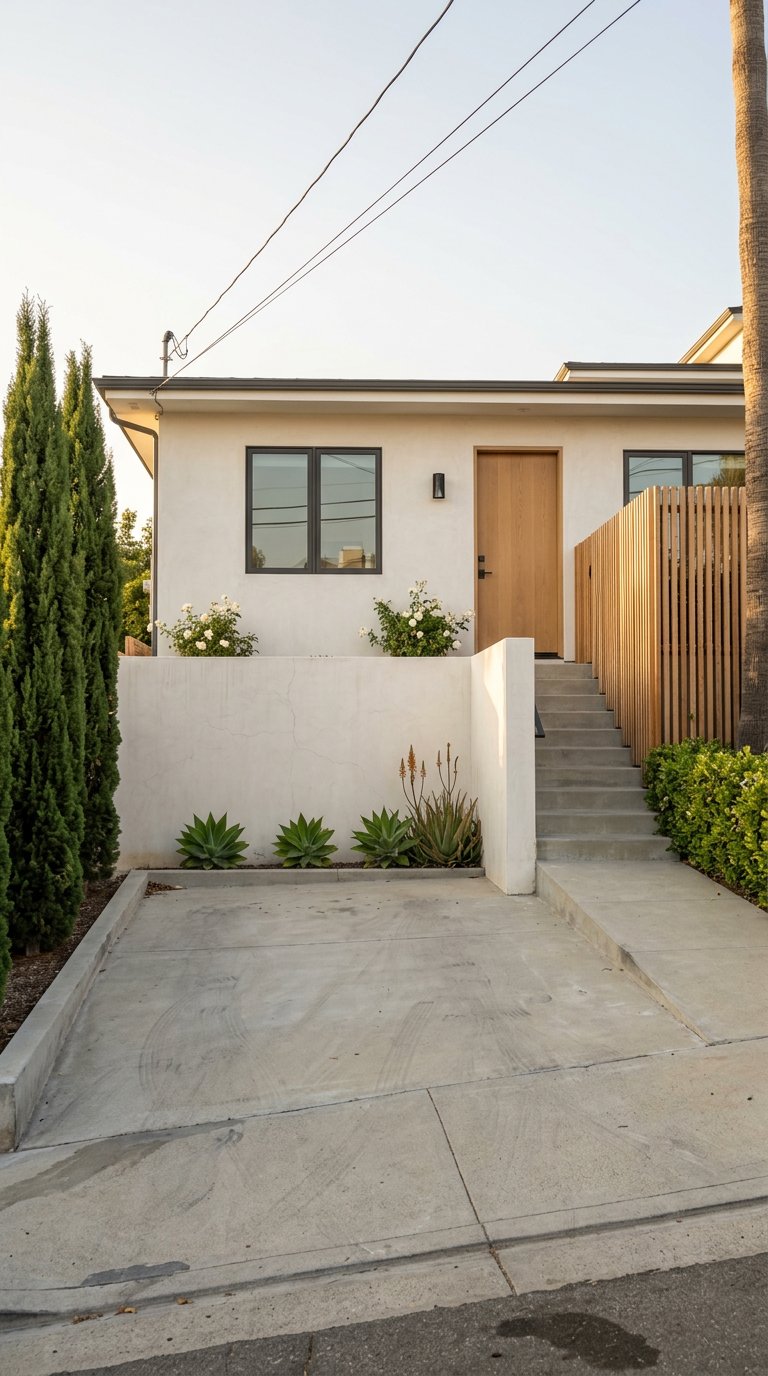
Are you weighing how to price your Hollywood Hills home this year? With buyers taking longer to decide and different pockets of the Hills moving at different speeds, setting the right price is both art and evidence. In this guide, you’ll learn how top agents build a pricing strategy, which Hills features change value the most, and a step-by-step checklist to get your home market-ready. Let’s dive in.
What the market tells you now
In February 2026, Hollywood Hills West posted a median closed sale price in the low-to-mid $2 million range, with many homes taking roughly four months or more to sell. Other neighborhood snapshots placed the typical Hollywood Hills home value near $1.92 million, with many properties going pending in about three months. These differences come from how each source draws boundaries and mixes condos and single-family homes.
Statewide, the California Association of REALTORS reported softer prices and lower sales to start 2026, which helps explain slower absorption in higher-price hillside micro-markets. You should weigh your immediate neighborhood’s inventory and days on market over broad headlines. When pricing, local data and the specifics of your property matter most.
California Association of REALTORS January 2026 report
Micro-markets that change value
Neighborhood differences
“Hollywood Hills” is not one price. Beachwood Canyon, Laurel Canyon, Nichols Canyon, Outpost Estates, Mount Olympus, and the Sunset Strip corridors each have different home types, lot topography, and buyer pools. Good pricing starts with comparables inside your most similar pocket, then adjusts for features like view, access, and parking.
Views, privacy and orientation
An unobstructed skyline or ocean view can command a premium, while a partial or seasonal view may not. Appraisers and experienced agents use paired-sales analysis to estimate a view’s value by comparing otherwise similar sales where the view is the main difference. Be explicit about the quality of your view, day and night, and any seasonal obstructions.
Access, roads and permit risk
Steep, narrow streets or challenging driveways can shrink the buyer pool and affect lender perception. If you plan to market development or expansion potential, the City’s Baseline Hillside Ordinance and LADBS grading rules can add time and cost to major work. Geotechnical reports and early permit diligence help buyers price upside with confidence.
Parking and street-level constraints
On-site parking and legal street parking can be decisive in tight hillside streets. Buyers often expect at least two convenient stalls, and some blocks have permit or overnight restrictions. Confirm your street’s rules and disclose permit district status in your listing.
Condition and the move-in-ready premium
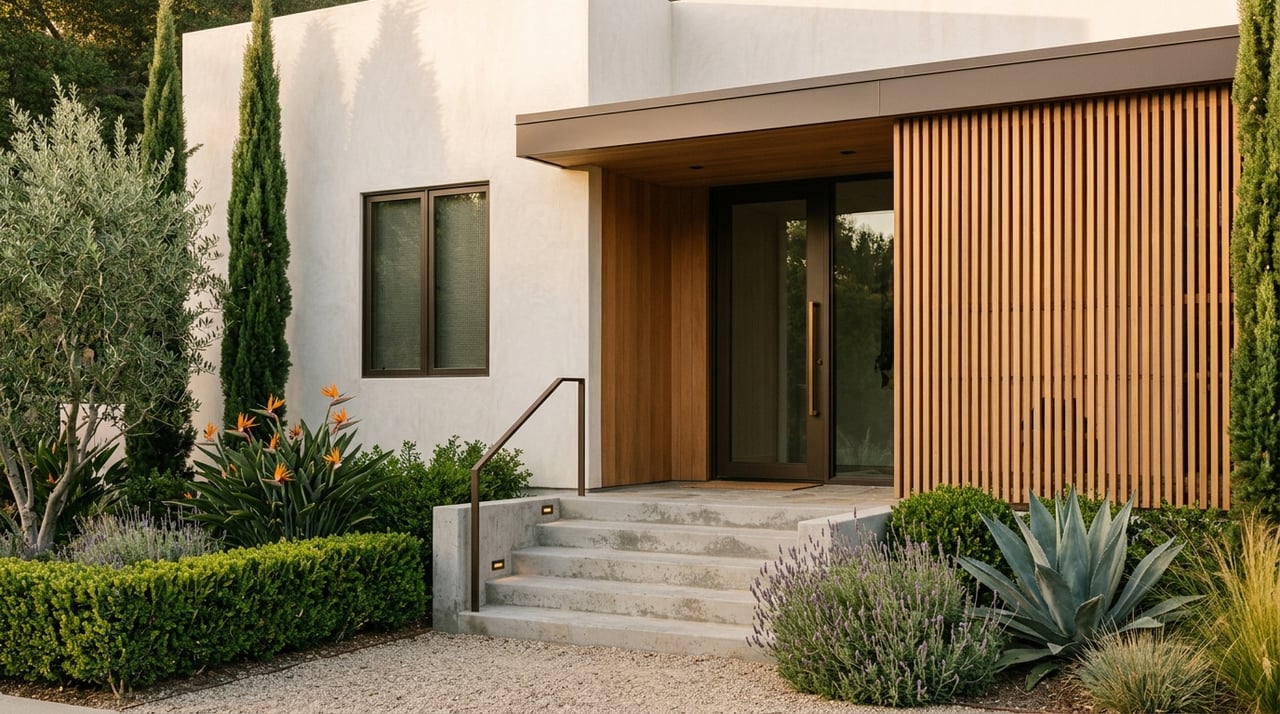
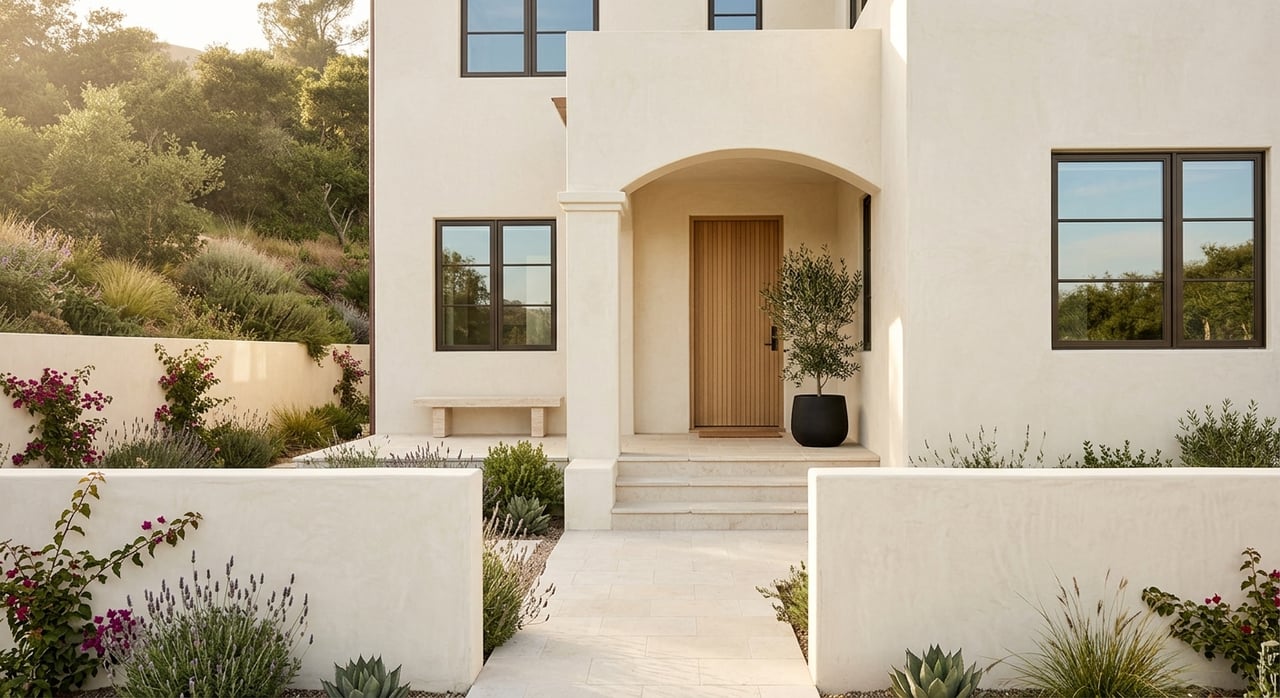
Turnkey homes tend to sell faster and closer to list price. Small, targeted updates often deliver the best payback, such as fresh paint, a new entry or garage door, minor kitchen refreshes, and tasteful landscaping. Address safety and systems first, including roofing, drainage, retaining walls and seismic items, to avoid repair credits at escrow.
Hazards and insurance
Hillside properties can carry elevated wildfire and slope-stability considerations, which may affect insurance options and buyer confidence. Gather any available reports on drainage, retaining walls, and geotechnical history. Note wildfire defensible-space efforts and maintenance records to support buyer due diligence.
How pros set a list price
Start with a tight CMA
Your agent will select the closest-fit closed sales within your micro-market. The goal is to pick comps that need the fewest adjustments for view, lot, access, parking, and condition. For features without obvious dollar units, paired-sales analysis helps estimate a reasonable adjustment.
Read the market heat
Absorption rate, or its inverse months of inventory, shows how fast homes are selling relative to supply. Under roughly three months of inventory suggests a seller-leaning market, three to six months is balanced, and more than six months leans buyer-favored. Combine this with recent sale-to-list ratios and median days on market to calibrate list price and likely negotiation room.
Price for search visibility
Most buyers filter by price bands. Listing just below a common threshold can capture more searches and early showings. Your strategy should match your goals: price slightly under a key band to maximize exposure, or price at supported market value to favor cleaner terms and fewer days on market.
Presentation supports price
Staging, pro photography, floor plans, and aerials are not window dressing. They help buyers see orientation, view lines, usable outdoor areas, and access. Strong presentation can shorten time on market and support a higher effective sale price when paired with the right list strategy.
Appraisal and financing guardrails
Lenders rely on closed comps. If your price leans on a rare view or unique feature, your agent will identify supporting sales and flag any appraisal risk. Where comps are thin, prepare for larger down payments or appraisal-gap solutions.
A tactical pricing checklist
- Commission a neighborhood CMA and a quick ZIMAS/LADBS check to confirm hillside status and overlays that could affect value and buyer plans.
- Pull 3 to 6 best-fit closed comps and 2 to 3 paired sales to isolate key adjustments like view, parking, or condition. Document dollar adjustments.
- Review months of inventory, recent sale-to-list ratios, and median days on market in your specific pocket. Expect more negotiation if sale-to-list trends below the high 90s.
- Tackle high-ROI prep: paint, declutter, curb appeal, and minor kitchen refreshes. Fix safety and system items first, such as roof, drainage, and retaining walls.
- Resolve obvious title or permit issues and gather geotechnical or engineering reports if you plan to market development potential.
- Choose your pricing tactic. Option A: price just below a key search band to spark multiple offers. Option B: price to supported value for a cleaner close. Align this choice with your timing and net goals.
- Build a media kit for Hills buyers: floor plans, aerials to show sightlines and orientation, access and parking notes, and concise engineering summaries.
- Set clear review triggers. For example, adjust if you see limited showings after two open-house weekends or repeated buyer feedback about price. Plan reductions and communication in advance.
When to adjust your price
If your listing outpaces the neighborhood’s median days on market and feedback centers on price, consider a data-backed reduction. Watch your micro-market’s months of inventory and sale-to-list ratio each week. If inventory is rising and offers land well below list, a calibrated price move can protect your final net by re-energizing buyer interest early.
Work with a boutique strategist
You deserve pricing advice that accounts for the Hills’ nuances and your goals. With curated marketing, media-grade listing production, and hands-on negotiation, you can list with clarity and confidence. For a private, data-informed strategy for your Hollywood Hills home, connect with Sami Housman.
FAQs
What is the market pace in early 2026 for Hollywood Hills West?
- In February 2026, the median sale price sat in the low-to-mid $2 millions, with many homes taking several months to sell, reflecting a slower, more selective market.
How do views affect my Hills home price?
- There is no universal percentage; appraisers and agents use paired-sales analysis to compare similar homes and estimate a view premium based on quality, breadth, and any obstructions.
Do I need permits or reports before listing a hillside property?
If you plan to market expansion or structural potential, review the City’s hillside rules and consider geotechnical reports to convert “upside” into verifiable value.
What is months of inventory and why does it matter?
It estimates how long current supply would take to sell; under about three months often favors sellers, while over six months favors buyers, shaping list price and concessions.
Which pre-list updates usually deliver the best ROI?
Focus on quick wins like paint, a new entry or garage door, minor kitchen updates, landscaping, and staging; fix safety and system issues first to avoid credits at escrow.
How does parking impact value in the Hollywood Hills?
On-site parking and legal street parking can be major value drivers; confirm any permit or overnight rules and disclose them to set proper buyer expectations.
Is early 2026 a good time to list in the Hills?
It depends on your goals, property condition, and pocket-level supply; statewide data show softening, but well-priced, move-in-ready homes still attract buyers.