Why can two Hancock Park homes with similar square footage sell millions apart? If you are comparing addresses here, you already know the stats never tell the whole story. This guide breaks down what you are actually paying for in this historic district so you can compare listings with confidence and avoid costly surprises. You will learn the real value drivers, how the HPOZ affects both price and plans, and a simple checklist to use before you write an offer. Let’s dive in.
Hancock Park at a glance
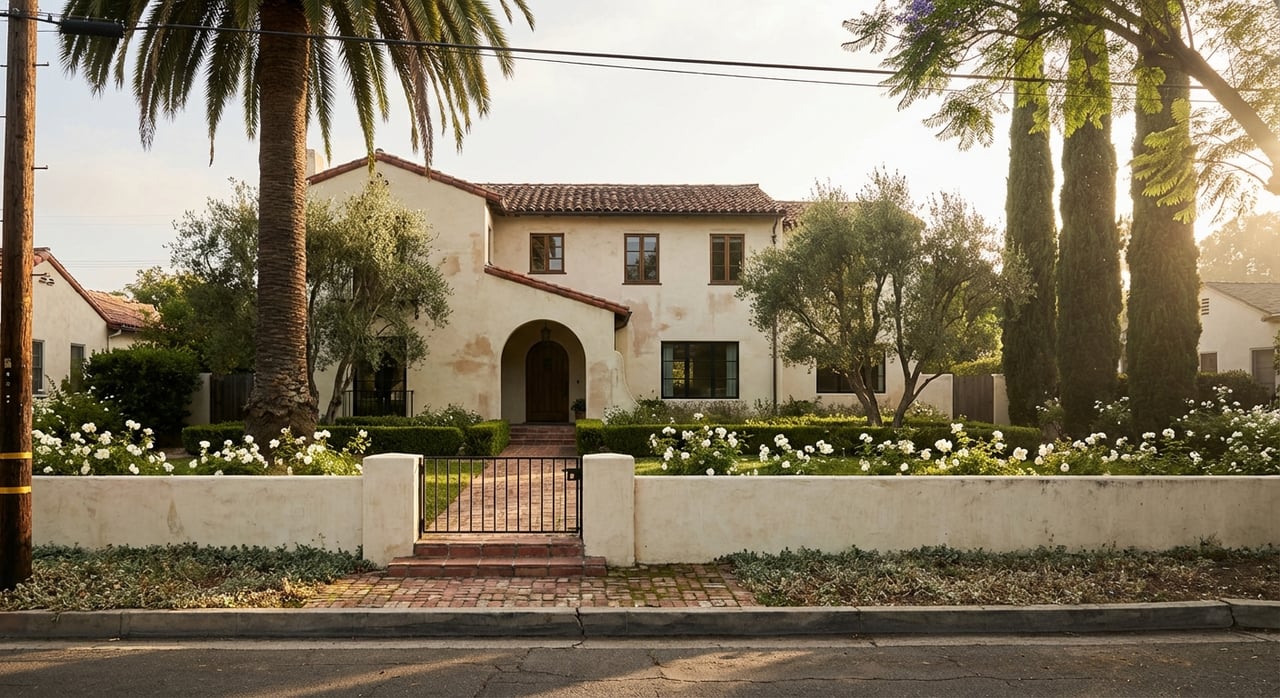
Hancock Park sits in central Los Angeles with a rare mix of low density, deep setbacks, and 1920s character. Most of the neighborhood is protected by the city’s Historic Preservation Overlay Zone, which governs exterior work visible from the street and helps preserve the streetscape that buyers love. You can review the official HPOZ overview and preservation plan on the City Planning site at the Hancock Park page (HPOZ overview).
Inventory is tight. Local guides cite roughly 1,200 single family homes, which helps explain the wide price spread between modest period homes and estate properties. Redfin reported a median sale price of $1,925,000 in January 2026 and a median price per square foot around $1,270, with recent luxury sales in the multi million range that show how far prices can move inside the neighborhood (Hancock Park market snapshot). Boundaries used by local groups and the city vary slightly, so rely on HPOZ and homeowner association materials for preservation rules.
What luxury buyers really pay for
Lot size, shape and usable land
In Hancock Park, the lot often drives value more than the interior. A larger, flatter parcel buys you privacy, placement options for a pool or guesthouse, and room to add square footage in a way that stays discreet from the street. Width and depth matter. Street frontage affects curb appeal and parking, while a deep rear yard allows true indoor outdoor living.
The original developer set deep front setbacks, often about 50 feet. That creates a park like feel and keeps façades back from the sidewalk. Buyers pay premiums for wide lots, private rear courts, and good service access. Published property features show parcels from 7,000 to over 15,000 square feet, with estate lots that reach well beyond that range in special cases. For a sense of scale, Los Angeles Times features often highlight unusually generous parcels in the area (LA Times example of lot scale).
Practical tip: When you compare two homes, place lot footprint and usable yard ahead of a small difference in interior square footage. Confirm frontage, depth, topography, easements, and the size and placement of any accessory buildings.
Architectural pedigree, style and provenance
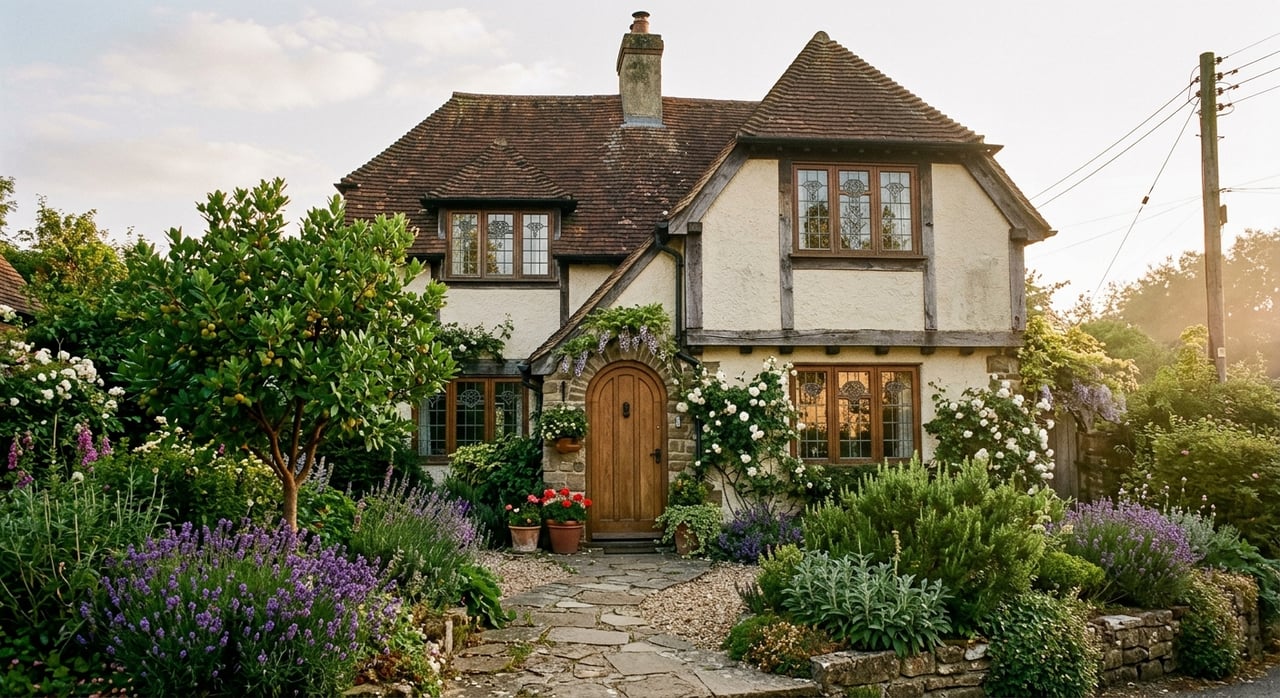
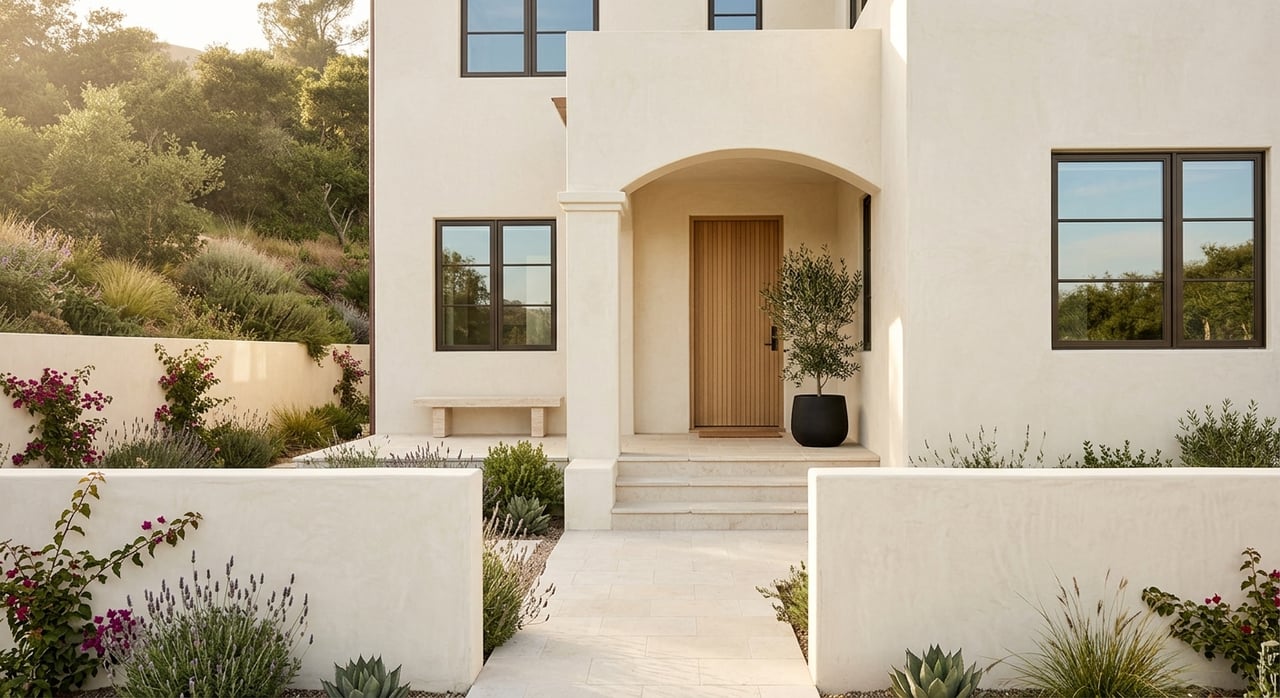
Hancock Park holds a concentration of Period Revival architecture. You will see Tudor, Spanish Colonial, Mediterranean, Monterey, and Colonial Revival styles documented in the HPOZ plan. Architect attribution can move a sale price materially. A house by a noted designer, such as Paul R. Williams or Roland Coate, or one with notable provenance or original plans, tends to trade at a premium because buyers pay for rarity and story as much as for the rooms.
Local property coverage often highlights architect designed homes and celebrity provenance that command higher prices than same size, less distinguished homes on the same block (architect and provenance example). If you value architecture, ask for documentation, historic photos, or award records when you tour.
Historic character and HPOZ rules
The HPOZ protects the character of the streets and façades in Hancock Park. Exterior work that is visible from the public way usually requires review and clearance. That protection supports long term value, but it can add time and cost to renovations. Plan for design review and approvals if you want to alter windows, roofs, driveway layout, or add visible second story space. City Planning records show adoption by Council in 2008, though local groups may cite earlier activity leading to the final approval (city HPOZ details).
For buyers, HPOZ status is a price driver in two ways. Intact historic façades on cohesive blocks can command a premium. At the same time, houses that need visible exterior changes may trade with pricing that reflects added design and approval time. If your plans include exterior work, include an HPOZ contingency and request the seller’s prior Certificates of Appropriateness.
Renovation quality, mechanicals and systems
At the luxury level, many buyers focus on the bones. Up to code electrical and plumbing, a newer roof, seismic work, HVAC capacity, and quality workmanship can reduce near term capital needs and lower insurance or lender friction. High end kitchen and bath renovations boost buyer interest and can speed a sale. Still, cost recapture varies. Industry cost vs. value reporting shows that minor to midrange upgrades often deliver the best percentage return, while very large bespoke projects do not always return 100 percent of cost (remodel ROI context).
Know how HPOZ interacts with improvements. Interior upgrades typically do not require HPOZ review, but visible exterior material changes often do. Ask sellers for permit histories and any past HPOZ approvals. A good primer on HPOZ basics for buyers is available here (Hancock Park HPOZ buyer overview).
Streetscape, privacy and micro location
Hancock Park’s consistent setbacks and tree lined parkways create strong curb appeal. A home on a quiet interior block will often achieve a higher price per square foot than a similar house near a busier corridor. Privacy is part of the premium. Hedges, mature trees, driveway placement, and service access all affect how a house lives.
Micro markets also matter. Fremont Place is a gated, guarded enclave within the district. Listings and sales inside that gate often show premiums that outpace similar sized properties on normal interior blocks (Fremont Place example). Named streets like Rimpau, Hudson Place, and Muirfield can also carry prestige that shows up in pricing. Two 6,000 square foot houses can trade very differently based on the block.
Real world price spread in Hancock Park
Redfin’s neighborhood page shows recent sales across a wide range, including trophy estates and mid market sales on the same grid of streets. For example, 545 S Rimpau Blvd closed around $9,000,000 in January 2026, while 143 S Muirfield Rd closed near $6,750,000 in December 2025. Several other sales fall in the 1 to 3 million range. The takeaway is simple. Lot, provenance, exterior integrity, and micro location often outweigh interior square footage when it comes to final price (recent sales and trends).
How to evaluate a Hancock Park listing
Use this checklist before you write an offer. It puts the most contract critical checks first.
Confirm HPOZ status and classification. Determine whether the property is a contributing or non contributing resource. Ask the seller for any prior HPOZ clearances or Certificates of Appropriateness (HPOZ overview and contacts).
Pull permits and code records. Use LADBS to check permit history and any open code enforcement. Unpermitted exterior work is a material negotiation item in an HPOZ (LADBS permits and records).
Compare lot metrics first. Note frontage, depth, usable rear yard, topography, easements, accessory buildings, and parking layout. Assessor parcel maps and MLS lot dimensions help. When in doubt, order a survey. Local features and coverage often highlight the kinds of large, flat lots that push values higher (LA Times example of lot scale).
Check mechanical and structural baselines. Ask for roof age, re piping history, electrical panel capacity and any knob and tube, HVAC age, termite or WDO reports, foundation settlement notes, and seismic work. LADBS records often document major system updates (LADBS permits and records).
Separate interiors from façades. Decide which upgrades are purely interior and which alter character defining exterior features. The latter will require HPOZ review. Prior approvals can be a selling point because they show how the board approached that property (HPOZ guidelines).
Verify provenance and documentation. Original plans, architect attribution, historic photos, and awards can add value. Ask the seller for any available documentation and note it in your valuation.
Assess outdoor amenities and privacy. Pools, private gardens, guesthouses, and mature specimen trees can command real premiums. Confirm maintenance responsibilities and any municipal protections or easements tied to landscaping.
Use Hancock Park specific contingencies. If your offer depends on visible exterior changes, include an HPOZ contingency. Lack of permits for exterior work is a risk that should be priced and addressed in escrow. Build realistic review timelines into your plan (HPOZ process overview).
Comps and appraisal in this micro market
Hancock Park pricing rewards precision. Appraisers and seasoned agents rely on the sales comparison approach. They select comps that match location down to the block or adjacent blocks, then adjust for lot size and usability, exterior integrity, permitted square footage including guesthouses or ADUs, and the quality of kitchens and baths. Interior finishes follow that list, not the other way around. For a core overview of this method, see the standard appraisal text on the sales comparison approach (appraisal methodology overview).
When you price or bid, start with block level comps from the same micro location, then make clear, supportable adjustments for lot, HPOZ sensitive features, and mechanical condition. Lean on recent neighborhood data for context, but do not rely on city wide medians in a district where micro differences move prices a lot (neighborhood data reference). If you plan changes that require HPOZ review, reflect both design costs and time in your valuation.
The bottom line for luxury buyers
In Hancock Park, you are paying for more than rooms. The usable lot and privacy, architectural pedigree and intact façades, mechanical quality and permitted work, and the block itself often decide the final number. Do your diligence early. Confirm HPOZ status, permits, and provenance, and compare block level sales before you bid.
If you want a clear, private strategy for buying in Hancock Park, reach out to Sami Housman for a confidential consultation. You will get street level insight, careful deal management, and media grade presentation when it is time to sell.
FAQs
What does Hancock Park’s HPOZ mean for renovations?
- Exterior work visible from the street often requires HPOZ review and clearance, which preserves neighborhood character and can add design time and cost (city HPOZ details).
How do lot size and shape affect value in Hancock Park?
- Wider frontage, deeper rear yards, and flat usable land support higher prices because they improve privacy, outdoor living, and potential for discreet additions.
Are interiors regulated by the HPOZ in Hancock Park?
- Interior upgrades typically do not require HPOZ approval, but any visible exterior material change or addition usually does, so plan accordingly (HPOZ guidelines).
Why do Fremont Place and certain streets command premiums?
- Fremont Place is a gated, guarded enclave and streets like Rimpau and Muirfield carry prestige, so similar sized homes there often trade at higher prices (Fremont Place example).
How should I verify permits and approvals before offering on a Hancock Park home?
- Pull permit history through LADBS, review HPOZ clearances or Certificates of Appropriateness, and use ZIMAS to confirm zoning and overlays (LADBS and ZIMAS guide).
Which upgrades usually deliver the best resale ROI here?
- Minor to midrange improvements often have the best percentage return, while very large, bespoke projects vary by buyer and do not always recoup full cost (remodel ROI context).