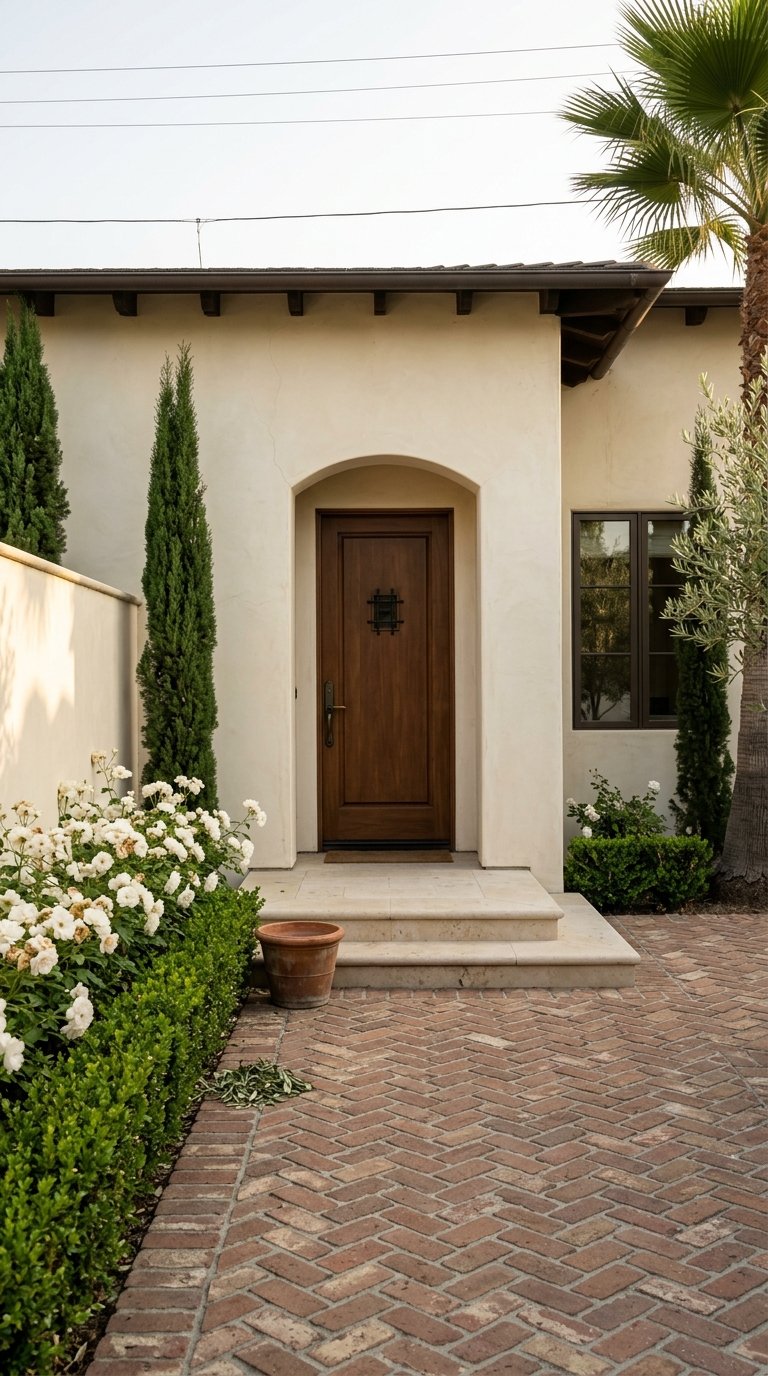
Trying to choose between Hancock Park, Los Feliz, and the Hollywood Hills? In central Los Angeles, these three neighborhoods can all appeal to buyers looking for character, location, and distinctive homes, but they live very differently day to day. If you are weighing architecture, walkability, privacy, or the feel of the streetscape, this guide will help you sort out which setting fits your lifestyle best. Let’s dive in.
Start With the Big Difference
The clearest way to compare these three areas is to look at what shapes them. According to the City of Los Angeles Hancock Park preservation materials, Hancock Park is known for its 1920s subdivision pattern, large two-story homes, broad setbacks, and a formal residential layout. It feels cohesive and estate-like from block to block.
Los Feliz is more mixed. City survey materials show a combination of village commercial areas, flatter residential sections, and hillside pockets with different lot shapes and street patterns. That makes Los Feliz feel more layered, with noticeably different experiences depending on where you are.
Hollywood Hills is the most shaped by terrain. Official city documents describe steep roads, winding streets, irregular parcels, and hillside communities where access, views, and privacy can vary significantly from one pocket to the next. If Hancock Park is the most consistent and Los Feliz is the most balanced, Hollywood Hills is the most topography-driven.
Hancock Park: Classic and Consistent
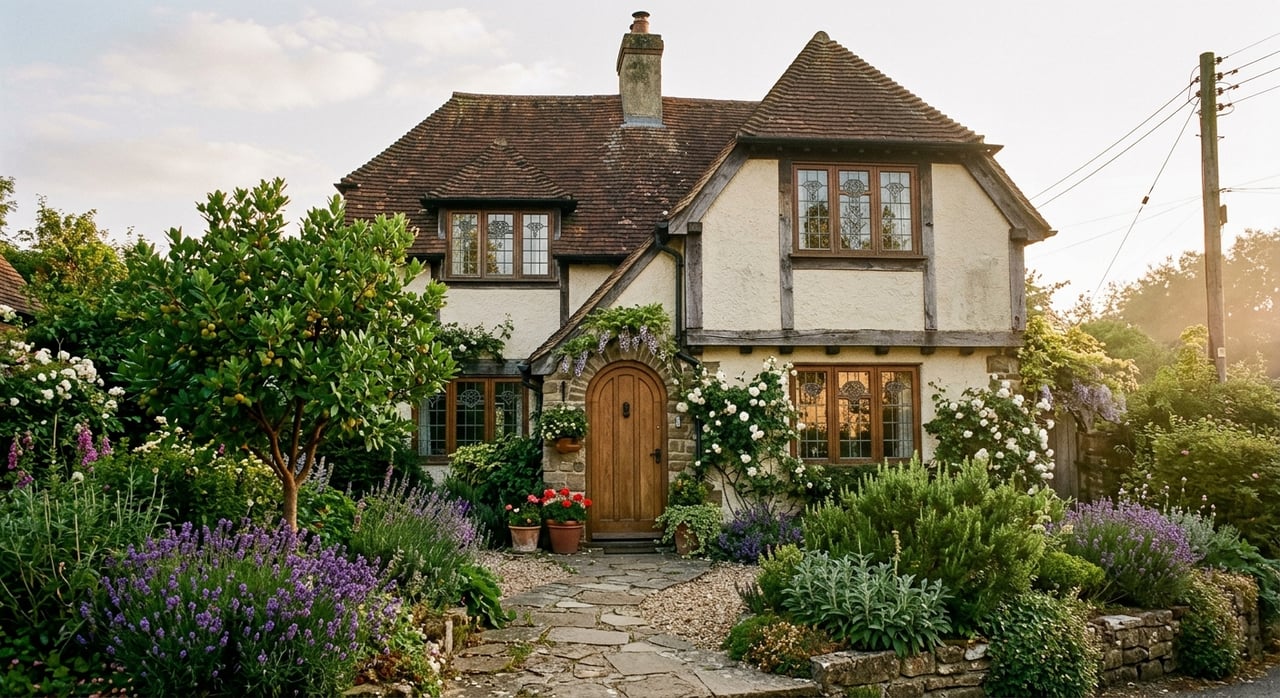
If you are drawn to timeless architecture and a neighborhood that feels visually unified, Hancock Park often stands out first. The Hancock Park HPOZ materials describe a district defined by large single-family houses from the 1920s, with styles that include Tudor Revival, English Revival, Spanish Colonial Revival, Mediterranean Revival, Monterey Revival, and American Colonial Revival.
That architectural consistency gives the neighborhood a formal rhythm. Many homes sit well back from the street, often with side driveways leading to rear garages. The result is a residential environment that feels open from the sidewalk but still composed and orderly.
What daily life feels like in Hancock Park
Hancock Park is primarily residential in character. The neighborhood is known for a park-like streetscape, with a clear sequence from street to planting strip to sidewalk to yard to house, as outlined in the city’s preservation plan.
Walkability can be strong near commercial corridors, especially along Wilshire. For example, 5350 Wilshire Boulevard and 5670 Wilshire Boulevard post Walk Scores of 95 and 96. Still, the overall feel of Hancock Park remains more about stately residential living than errands-on-foot convenience throughout the entire district.
Who Hancock Park tends to suit
Hancock Park tends to fit buyers who want:
- A consistent historic streetscape
- Large front setbacks and a formal residential look
- Classic Revival architecture
- Flatland living over hillside terrain
- A more uniform neighborhood feel
If your priority is architectural continuity and a polished, established setting, Hancock Park sets a strong baseline.
Los Feliz: Variety With Walkable Energy
Los Feliz often appeals to buyers who want more range in how a neighborhood lives. According to city survey materials covering Los Feliz subareas, the neighborhood includes distinct hillside and flatter residential sections, along with a commercial village layer that adds a different kind of daily convenience.
This variety is one of Los Feliz’s biggest strengths. In Los Feliz Heights, you will find one- and two-story homes on a hilly slope of Mt. Hollywood, with curving streets, irregular sites, public stairways, and some broad city views. In Los Feliz Square, the lots and setbacks are generally more uniform, especially in flatter single-family sections.
The village factor in Los Feliz
Los Feliz has the strongest walkable village core of the three. The Los Feliz Village BID notes that the district sits between Griffith Park and Barnsdall Art Park and includes more than 300 merchants along Hillhurst, Vermont, Hollywood Boulevard, Los Feliz Boulevard, and nearby streets.
That translates into a very practical day-to-day advantage if you value being able to get out on foot. Walk Score examples in the village core are especially strong, including Hillhurst and Prospect at 94, Franklin and Vermont at 92, and Vermont and Maubert at 97.
Why Los Feliz feels different block to block
Unlike Hancock Park, Los Feliz does not present one unified streetscape. That is not a drawback for many buyers. In fact, it is often the appeal.
You can choose between a village-adjacent routine, flatter residential pockets, or hillside settings with more irregular lots and changing views. If you want a neighborhood that offers both convenience and character, Los Feliz often gives you more ways to match the location to your lifestyle.
Who Los Feliz tends to suit
Los Feliz tends to fit buyers who want:
- Strong walkability in the village core
- Architectural variety
- Access to both hillside and flatter residential settings
- A blend of residential feel and everyday convenience
- More lifestyle flexibility within one neighborhood
If your ideal setup includes coffee, errands, or dinner within an easy outing, while still keeping access to homes with character, Los Feliz offers one of the best balances in central L.A.
Hollywood Hills: Privacy, Elevation, and Character
If your focus is views, separation, and a more tucked-away feel, the Hollywood Hills usually lead the conversation. Official city materials show a broad mix of hillside homes, from early planned communities like Hollywoodland to later mid-century houses on steep roads and terraced sites. The city’s entertainment industry residential context statement notes early architectural styles such as French Norman, English Tudor, Mediterranean, and Spanish Colonial Revival in planned hillside sections.
The lot pattern is also very different from the flatter neighborhoods. City documents describing Hollywood Hills West hillside conditions reference steep, winding roads, retaining walls, stairways, and elevated pads. Those physical features create a stronger sense of separation from the street and, in many pockets, a greater feeling of privacy.
The tradeoff in Hollywood Hills
The defining feature of the Hollywood Hills is not uniform architecture or easy walkability. It is terrain. That terrain can create dramatic siting, view corridors, and a more secluded atmosphere, but it can also make daily errands less straightforward.
According to Walk Score’s Hollywood Hills overview, the neighborhood-wide Walk Score is 72. That number reflects a usable but uneven environment, since block-by-block experience changes a lot depending on slope, street design, and access.
Who Hollywood Hills tends to suit
Hollywood Hills tends to fit buyers who want:
- Hillside living and elevation
- More privacy or separation from the street
- View-oriented homesites
- A custom, less uniform housing mix
- Character shaped by terrain rather than a flat grid
If you are comfortable trading some convenience for a more elevated and tucked-away setting, the Hills can be the strongest lifestyle match.
A Quick Side-by-Side View
| Neighborhood | Best Known For | Streetscape Feel | Walkability | Housing Character |
|---|---|---|---|---|
| Hancock Park | Historic consistency | Formal, open, setback-heavy | Strong near corridors, less uniform overall | Large 1920s Revival homes |
| Los Feliz | Lifestyle balance | Mixed village, flatland, and hillside pockets | Strongest in village core | Varied homes and settings |
| Hollywood Hills | Privacy and elevation | Winding, irregular, topography-led | More uneven and car-dependent | Broad hillside mix |
How to Choose the Right Fit
The best choice usually comes down to how you want your home to function every day, not just how it photographs. If you want a classic, estate-like neighborhood with a cohesive look and flatter streets, Hancock Park may feel most aligned. If you want flexibility, neighborhood energy, and the option to blend walkability with character housing, Los Feliz is often the best fit.
If privacy, views, and a stronger sense of retreat matter most, Hollywood Hills may give you the setting you are after. The key is knowing which tradeoffs feel worthwhile to you.
At the luxury level, this is where hyperlocal guidance matters. Two homes can be similar on paper but feel completely different once you account for slope, lot shape, setbacks, village access, or how a block connects to the rest of the neighborhood.
If you are comparing central L.A. neighborhoods and want a more tailored read on where your lifestyle, priorities, and budget align best, Sami Housman can help you narrow the search with a thoughtful, high-touch approach.
FAQs
Which neighborhood is most walkable for daily errands in Hancock Park, Los Feliz, or Hollywood Hills?
- Los Feliz has the strongest walkable core, especially around the village area near Hillhurst, Vermont, and nearby commercial streets.
Which neighborhood has the most consistent architecture among Hancock Park, Los Feliz, and Hollywood Hills?
- Hancock Park is the most consistent, with a formal collection of mostly 1920s single-family homes in Revival styles.
Which neighborhood offers the most privacy among Hancock Park, Los Feliz, and Hollywood Hills?
- Hollywood Hills tends to offer the most privacy because steep terrain, winding roads, and irregular lots often create more separation from the street.
Which neighborhood gives you the best mix of walkability and housing variety in central Los Angeles?
- Los Feliz is typically the strongest match if you want both architectural variety and access to a walkable village environment.
Which neighborhood is best if you prefer flat streets over hillside roads in central Los Angeles?
- Hancock Park is usually the best fit if you want a flatter, more uniform residential setting rather than a hillside layout.