Torn between the romance of a stucco courtyard and the clean lines of a glassy hillside deck? In Silver Lake, both Spanish Revival and Mid‑Century Modern homes capture hearts and headlines. You want a home that fits your life and holds value when it is time to sell. This guide breaks down how each style lives, what buyers pay for, and which upgrades move the needle so you can act with confidence. Let’s dive in.
Silver Lake styles at a glance
Silver Lake showcases two of Los Angeles’s most beloved architectural lineages. Spanish Revival cottages and hillside houses from the 1920s–1930s offer character and privacy. Mid‑Century Modern homes from the post‑war era lean into light, views, and indoor‑outdoor flow. Style influences price, but location, views, and condition often carry more weight at the offer table.
Spanish Revival essentials
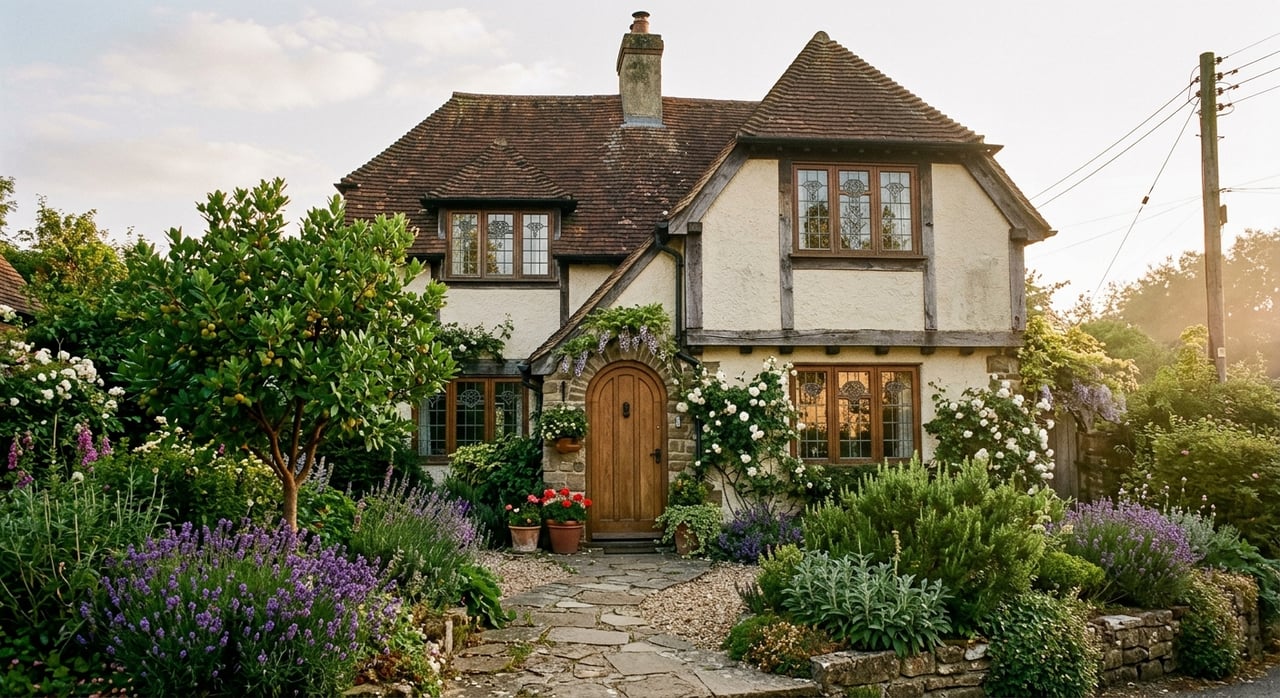
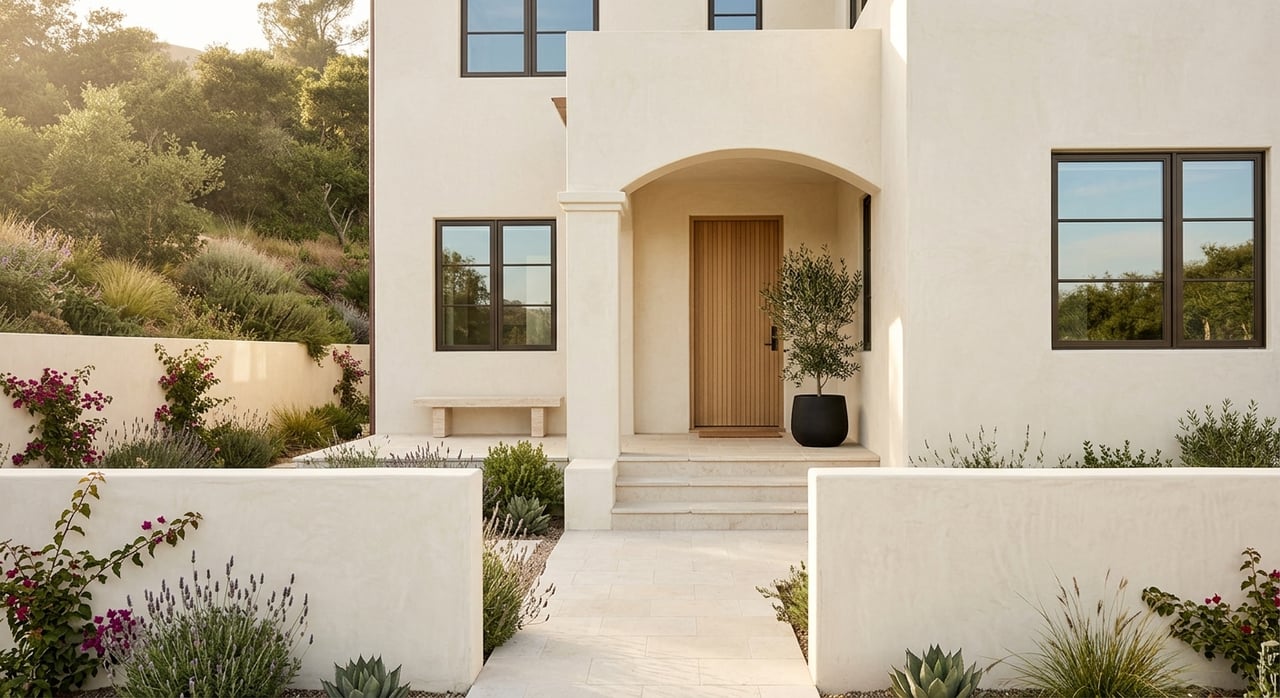
Spanish Revival in Silver Lake often features clay tile roofs, stucco walls, arched openings, and decorative ironwork. Many have intimate courtyards or walled patios that feel private and serene. Interiors tend to have more defined rooms, cozy nooks, and smaller original kitchens.
On the maintenance side, tile roofs need specialized care, and stucco requires proper moisture management, especially on hillsides. Original windows are often smaller and may be single pane. Unreinforced masonry elements and older chimneys can be seismic vulnerabilities worth evaluating.
Mid‑Century Modern essentials
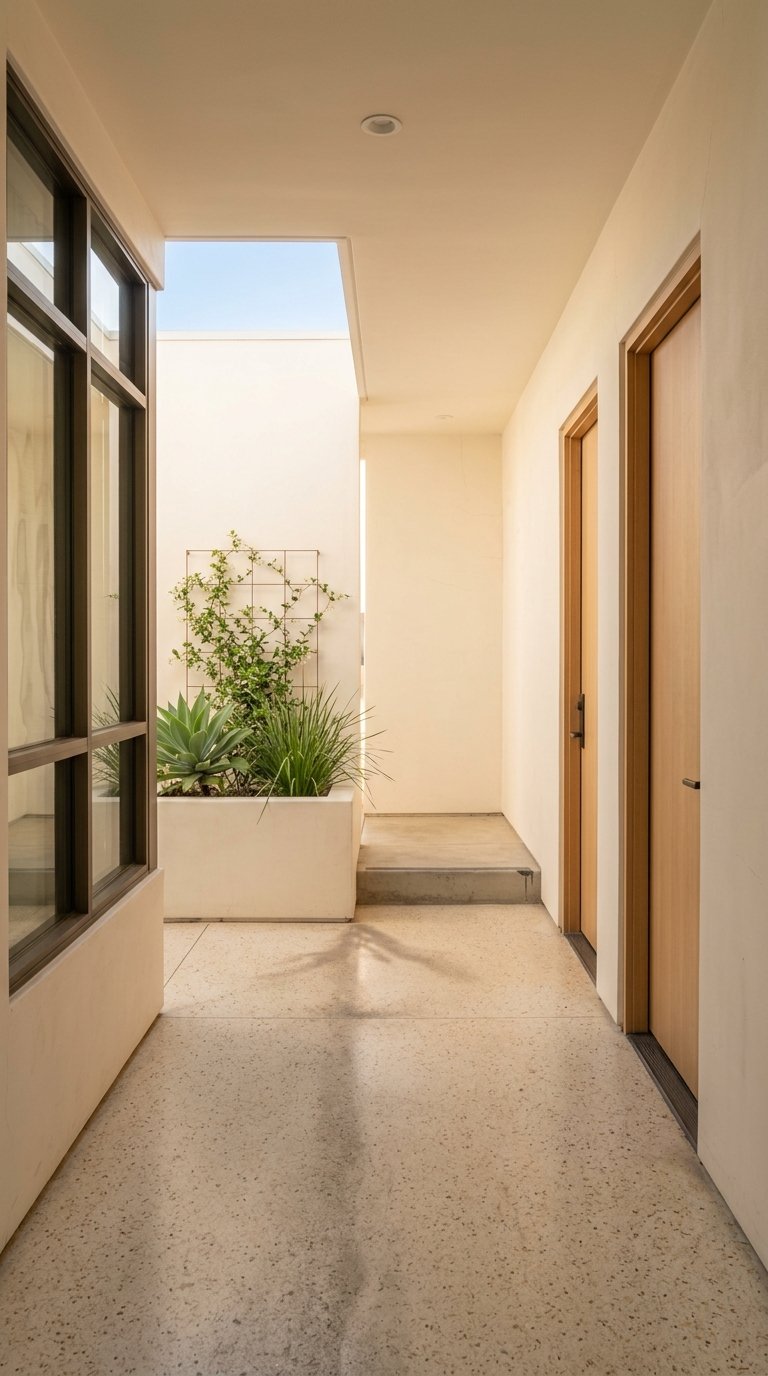
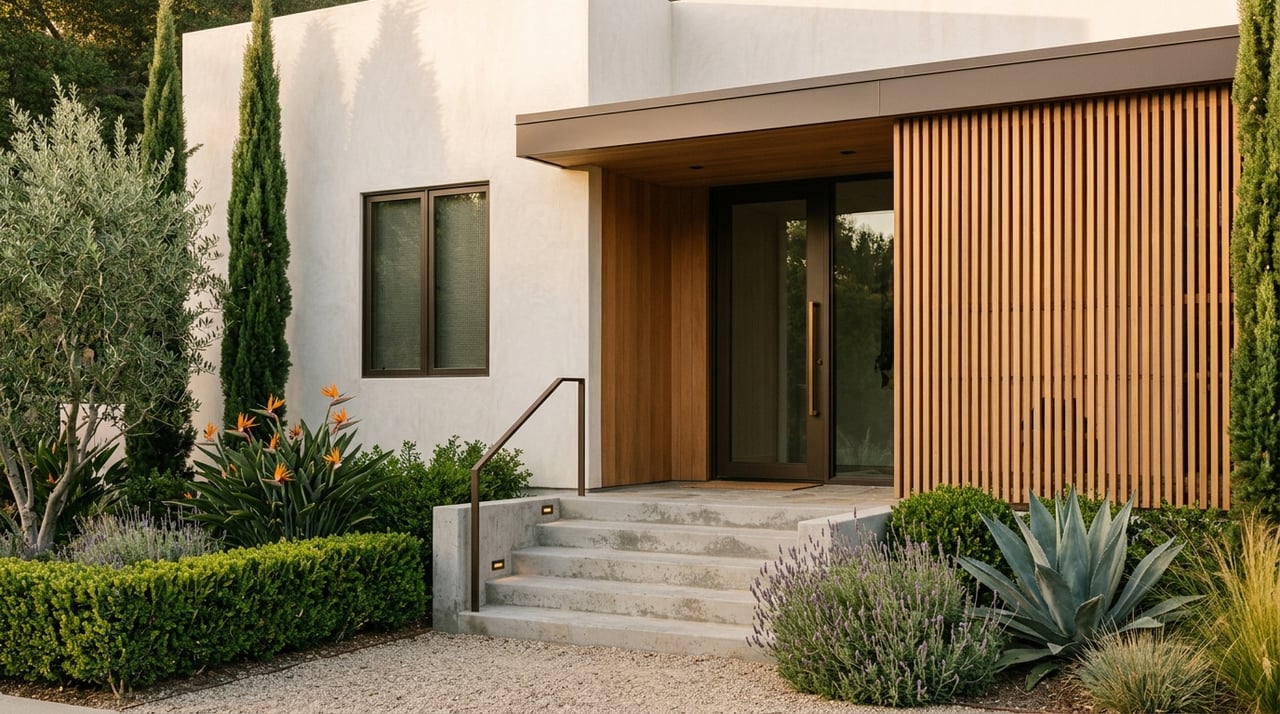
Mid‑Century homes prioritize open plans, large panes of glass, and post‑and‑beam structure. You often get sliding doors, clerestory windows, and decks or terraces that capture views. Kitchens and bathrooms may be compact in original form, with many homes updated over time.
Maintenance focuses on roof membranes and flashing, energy performance of large windows, and the condition of decks and engineered hillside supports. In Silver Lake’s steep terrain, routine inspection of foundations and railings is a smart habit.
What actually sells in Silver Lake
View, lot, and location outrank style
Buyers frequently pay premiums for panoramic views of downtown, Griffith Park, or the Hollywood Hills, regardless of style. Proximity to popular amenities and how well the design showcases the view can outweigh aesthetics alone. A Spanish with a sunlit patio and framed skyline sightlines can go toe to toe with a glassy mid‑century if the lot and orientation are strong.
Buyer segments and motivations
Mid‑Century typically attracts buyers who want open flow and dramatic indoor‑outdoor living. Large windows, clean lines, and view decks are big draws. Spanish Revival pulls in buyers who value period detail, warm materials, and defined rooms. Both styles benefit when authentic features are intact and thoughtfully upgraded.
Scarcity, authenticity, and provenance
Well‑preserved Mid‑Century homes, especially those with clear views or architect provenance, can command premiums. Spanish homes with original plaster, tile, and inviting courtyards also sell strong. In either case, scarcity of high‑quality examples boosts perceived value.
Floor plan and livability
Open vs compartmentalized living
Mid‑Century plans create easy flow between living, dining, and kitchen areas that suit modern entertaining. The tradeoff can be less acoustic separation. Spanish plans offer distinct rooms and clearer boundaries between public and private spaces, which some buyers prefer for work‑from‑home or guest privacy.
Natural light and orientation
Mid‑Century homes usually maximize daylight and views with expansive glazing. Spanish homes often use smaller windows and thicker walls for comfort and privacy. Orientation on the lot matters in both styles, especially on hillsides where sun and wind exposure can vary.
Storage and modern convenience
Kitchens and bathrooms in both styles often benefit from thoughtful updates. Many owners also add storage solutions that complement the original aesthetic rather than fight it. The best remodels look like they belong.
Accessibility and stairs
Silver Lake’s topography means steps, split levels, and steep driveways are common. Some Mid‑Century hillside designs stack living areas on multiple levels. Be clear about access and parking realities as part of your decision.
Outdoor spaces and the value of views
Typical outdoor types by style
Spanish homes shine with courtyards, walled patios, and planted entries that feel intimate. Mid‑Century homes lean into decks, terraces, and cantilevered platforms. Both styles may feature terraced yards and retaining walls on slopes.
How views impact price
View quality, permanence, and design integration drive value. Unobstructed skyline or park views tend to outpace partial views. Homes that frame sightlines with large windows and easy outdoor access usually capture more of the view premium.
How to quantify a view premium
- Compare recent sales of similar homes, separated by view vs non‑view, and track price per square foot and sale‑to‑list ratio.
- Layer broker adjustments for nuance, then test the range with additional comps.
- For a rigorous take, a regression analysis can isolate a view coefficient, but it requires clean MLS data.
Permits and structural items
Decks on slopes often require permits and engineered supports. Unpermitted terraces or railings can spook buyers and may need remedy before listing.
Buyer checklists: tour smarter
Use this quick reference to evaluate either style with clarity.
All homes: essentials to verify
- Roof condition, foundation and retaining walls, signs of water intrusion.
- Age and condition of HVAC, electrical panel, and plumbing.
- Permit history for major remodels, decks, and any ADUs.
- Sightlines to views and risk of future obstruction.
- Usable outdoor space, stairs, and driveway characteristics.
Spanish specifics
- Condition of clay tile roof and stucco cracks.
- Original plaster and woodwork, and how light feels in main rooms.
- Window condition and energy performance strategies that respect character.
Mid‑Century specifics
- Roof membrane and flashing at clerestory or large windows.
- Deck structure and railings on hillside lots.
- Glazing condition and operability, plus shade or film solutions for comfort.
Seller playbook: prep to win
Start with systems and safety
Fix roof leaks, address structural concerns, and resolve active water issues first. Evaluate seismic items like older chimneys or unreinforced elements that could affect insurance or buyer confidence.
Update with style sensitivity
- Spanish: Restore plaster, wood beams, and tile details. Modernize kitchens and baths with period‑appropriate surfaces and current appliances.
- Mid‑Century: Honor original lines and openings. Choose clean finishes, amplify daylight, and avoid heavy ornament that clashes with the architecture.
Maximize outdoor living and sightlines
Trim vegetation within allowed limits to open views. Stage courtyards and decks to show real living and entertaining potential. Lighting adds evening appeal.
Balance cost and return
Cosmetic refreshes like paint, landscaping, and right‑sized staging often deliver strong ROI. Moderate kitchen and bath updates that respect the style usually outperform over‑customization. Larger changes that add usable space or ADU potential can expand the buyer pool but require more time and permitting.
Stage and photograph for the style
Let staging echo the architecture. Minimalist, warm textures for Spanish. Clean lines and period accents for Mid‑Century. Professional photography that emphasizes light, flow, and views is essential. Twilight shots can showcase skyline or reservoir vistas.
ADUs and expansion potential
State ADU rules have expanded options in recent years, but each site is unique. Steep lots, setbacks, and lot coverage can limit feasibility. Flat yards and garages near the alley or rear yard are often easier candidates. Always review local zoning and permit history for parcel‑specific guidance before committing to a plan.
Which should you choose?
Pick the home that best fits your daily life, then let style elevate the experience. If you host often and crave light, a Mid‑Century plan with large glass and a view deck may feel effortless. If you prefer privacy and defined rooms, a Spanish with a leafy courtyard can be a sanctuary. In either case, the winning listings are the ones that combine intact character, functional updates, and clear advantages in lot, light, or view.
Ready to compare real properties, not hypotheticals? For private guidance, curated tours, and a marketing plan tailored to your architecture, connect with Sami Housman. Request a private consultation.
FAQs
What defines a Spanish Revival home in Silver Lake?
- Expect clay tile roofs, stucco walls, arched openings, and intimate courtyards, with interiors that favor defined rooms and period details like plaster and wood beams.
How do Mid‑Century Modern homes live day to day?
- They offer open plans with strong indoor‑outdoor flow, large windows for light and views, and decks or terraces, with many kitchens and baths modernized over time.
Do views add more value to Mid‑Century than Spanish?
- Views add value to both; the premium depends on quality and how the design captures it. Large glazing and easy terrace access can help any style realize more of that premium.
What pre‑listing fixes matter most for either style?
- Prioritize roof, water, and structural items, then address seismic vulnerabilities. After that, focus on style‑sensitive cosmetic updates, staging, and pro photography.
What’s the smartest way to compare two homes of different styles?
- Control for location, lot, size, condition, and view. Then weigh livability features you value most, like light, privacy, and outdoor access, before comparing price per square foot.
Are ADUs practical on Silver Lake’s hillside lots?
- Sometimes. Steep topography and setbacks can complicate ADUs, while flatter parcels are often more feasible. Check zoning and permit history for the specific property.