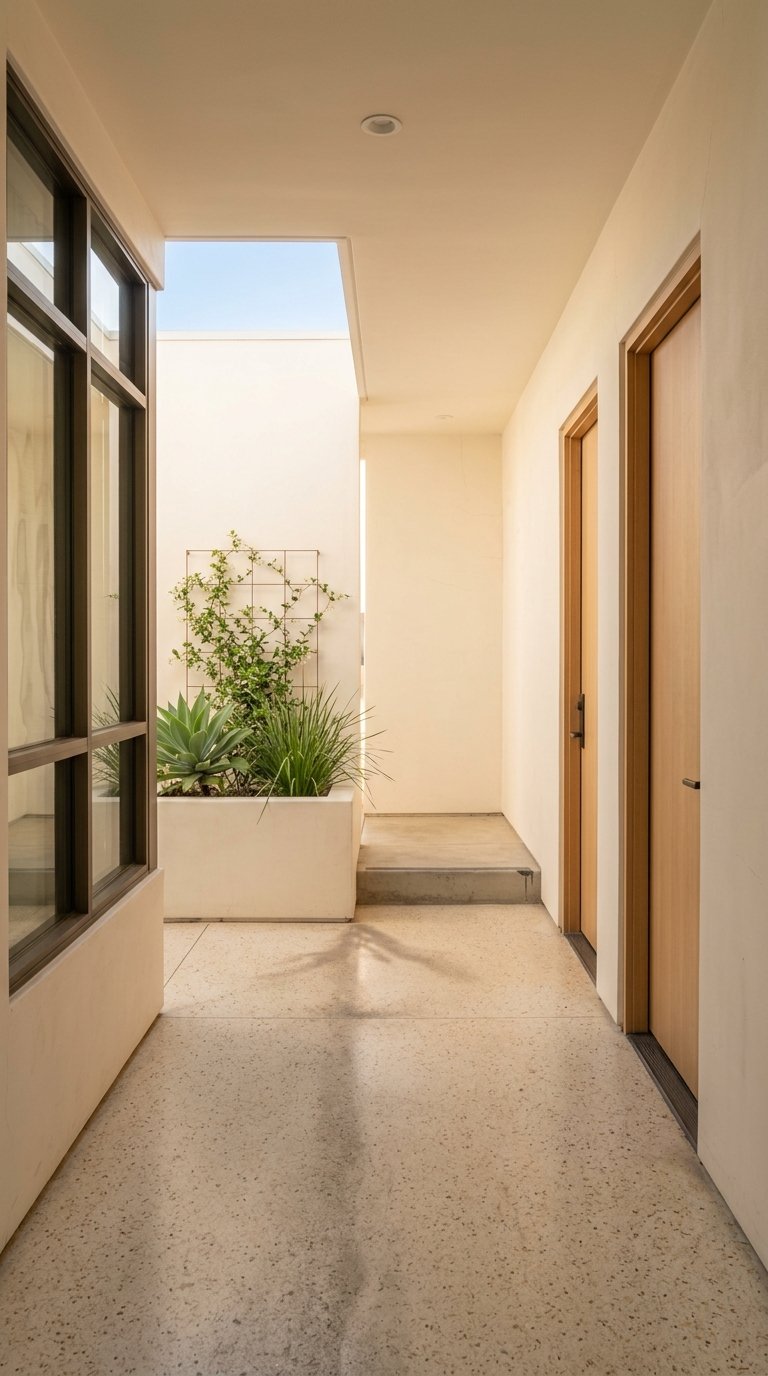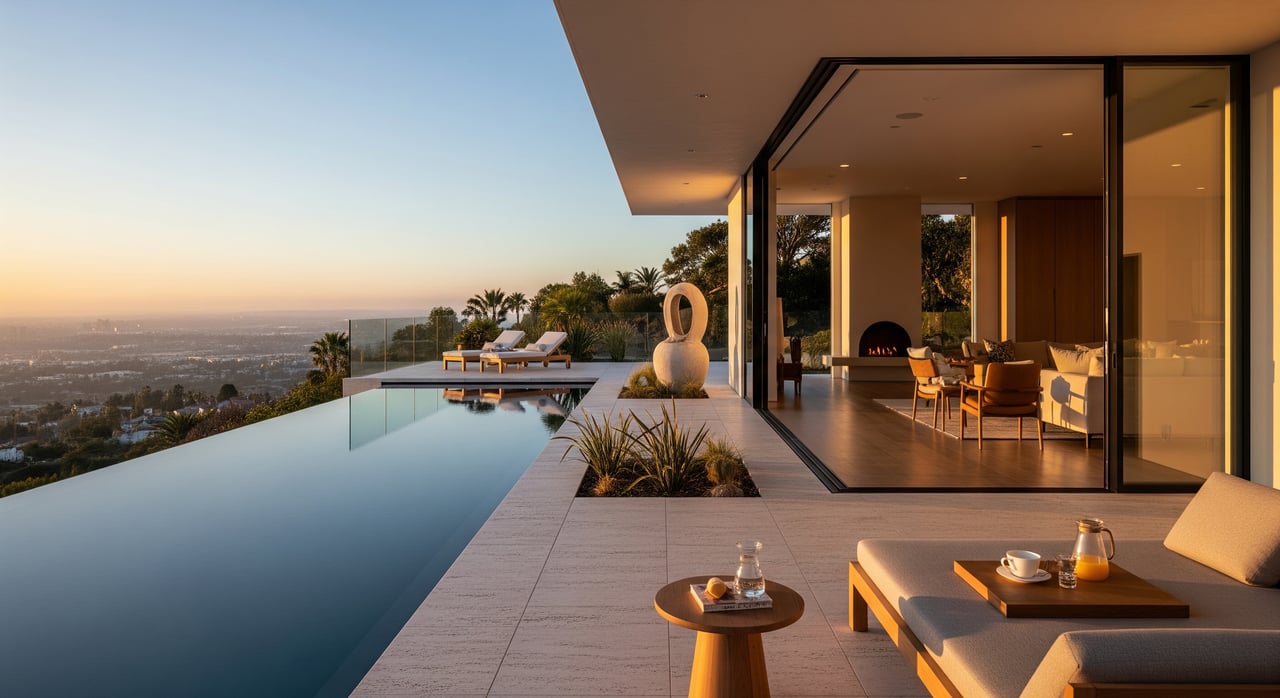
What do you want your windows to frame every day: quiet green canyons, sparkling city lights, a calm blue reservoir, or an iconic landmark? In the Hollywood Hills, your view does more than look pretty. It shapes light in your rooms, privacy on your deck, even how you host friends at night. This guide breaks down how each view changes daily living, what tradeoffs to expect by lot and orientation, and how to protect long‑term value as a buyer. Let’s dive in.
View types and where to find them
Canyon views
Canyon outlooks feel private and natural. You see layered ridgelines, native trees and shifting shadows across the day. You’ll find these in Laurel Canyon, parts of Beachwood Canyon, and sections of Hollywood Hills East and the Laurel and Cahuenga corridors. Expect a calmer soundscape and more shade, with fewer long-distance panoramas.
City lights and panoramas
These are the big nightscapes many buyers picture. Western-facing ridgelines in Hollywood Hills West, Outpost Estates, and Franklin Hills often capture dramatic basin views from downtown to the ocean. Evenings are spectacular, but you may have more exposure to neighboring sightlines and ambient light after dark.
Reservoir and Lake Hollywood views
A water focal point adds a serene, steady backdrop. Homes around Beachwood Canyon and the Lake Hollywood area look to the reservoir and surrounding parkland. This setting can bring a pleasant, natural outlook and sometimes extra privacy buffers depending on elevation, along with periodic activity from nearby trails.
Landmark and studio-adjacent views
Think the Hollywood Sign, Griffith Observatory, or nearby studio lots. These views carry strong emotional and marketing appeal. They are directional and can be vulnerable to change if new construction or tree growth alters the corridor, so permanence varies by exact sightline.
How views shape daily living
Natural light and solar exposure
Orientation is everything. South and west exposures gather more afternoon sun, which can heat spaces and cause glare. East-facing rooms feel bright in the morning and gentler later in the day. Canyon walls and ridges can cast long winter shadows, while wide city outlooks often mean steady, indirect light across more hours.
Privacy and visibility
Canyon-facing homes usually feel more secluded thanks to topography and vegetation. Ridge-top and broad city-view homes can be more exposed to neighbors and passing traffic, especially at night when interior lights make rooms more visible. Plan for window treatments and thoughtful landscaping to balance privacy with the view you love.
Noise and nearby activity
Canyon settings often soften city noise. Homes near major view corridors or close to venues and busy streets may carry more ambient sound depending on orientation. If you look toward recreational areas like the reservoir, expect occasional pedestrian and trail activity during peak times.
Microclimate and comfort
Hills create their own weather patterns. Exposed ridges can feel breezy and cooler at night. Lower canyon floors tend to trap cooler air. Tree canopy offers shade and can lower energy loads, while wide west-facing glass can increase cooling needs without the right glazing and shading.
Outdoor living and entertaining
City and reservoir views pair well with large decks and terraces for sunset dinners and evening gatherings. Canyon homes often favor sheltered courtyards and intimate outdoor rooms that feel calm and protected. Align your outdoor spaces with the view you will use most.
Safety and access
Steep driveways and narrow streets are common. Consider everyday logistics for deliveries and rideshares, and think about emergency access and evacuation routes during wildfire season. Access design affects convenience just as much as it affects safety.
Lot types and tradeoffs
Common Hollywood Hills lots
- Ridge-top lots: Big, sometimes 360-degree views with maximum exposure to wind and light. Often higher priced and more visible to neighbors. Driveways may be longer or steeper.
- Hillside or bench lots: Terraced buildable areas offer a balance of usability and view. Retaining walls and geotechnical work are common.
- Steep slope lots: Narrow footprints with dramatic views from smaller interior areas. Expect higher engineering and construction costs.
- Flat pads and plateaus: Rare. Easier for standard construction but sometimes sit below the best ridgeline outlooks.
Orientation and comfort
- South or southwest: Bright afternoons and sunsets, great for city-facing views, with potential for heat gain and glare.
- North-facing canyons: Cooler, consistent indirect light and a calm feel, with less direct sun.
- East-facing: Gentle mornings and lower afternoon heat, often with less dramatic evening views.
Codes, constraints and protections
Hillside homes in Los Angeles follow grading, retaining wall, and foundation rules that usually require geotechnical studies. Zoning and hillside ordinances limit building envelopes, height and lot coverage, which can affect where decks and window walls can sit. Utility easements, rights-of-way and emergency vehicle requirements can further shape usable outdoor space and even view corridors.
California law does not guarantee a private right to a view by default. If you want protection, it must be documented as a view easement or included in CC&Rs recorded on title. Without that, permitted construction or tree growth can change a view over time.
Costs and ongoing upkeep
Engineered foundations, retaining systems and specialized drainage raise per-square-foot building costs on slopes. Plan for long-term maintenance such as erosion control, deck and railing upkeep, and periodic tree trimming to preserve sightlines. Budget for higher insurance premiums in wildfire-prone hillside areas.
Resale and market outlook
Value drivers by view type
Views generally boost desirability, but the premium varies by the type and its stability. Iconic or rare outlooks like the Hollywood Sign or a broad downtown-to-ocean panorama tend to headline listings. Reservoir and canyon settings attract buyers who value privacy and nature, while city lights draw those who love spectacle and entertaining.
What can erode value
View risk comes from development and vegetation. A neighbor’s permitted addition or a new home upslope could block a corridor unless a legal protection exists. Trees grow and can obscure sightlines. Views tied to seasonal conditions are less reliable than permanent landmarks.
Matching view to buyer profile
Different buyers prioritize different experiences. If you live for dusk entertaining, you may prize big city vistas. If you want calm mornings with birdsong and shade, a canyon outlook might be your match. The strongest resale outcomes come when your home’s orientation, outdoor space and interior layout align with how local buyers actually live in the area.
How to evaluate a view on tour
See it at three times
Visit at sunrise, midday and after dark. Check for glare, shadow patterns and how visible your interiors feel at night. Look for wind and temperature changes as the day shifts.
Walk the outdoor zones
Stand where a dining table, lounge chairs or a grill would go. Test sun and shade, and note where wind picks up. Make sure there is enough usable deck space to match your lifestyle.
Scan for future blockers
Step outside and study nearby parcels for empty pads, low homes, or lots with room to add height. Note large trees upslope or downslope that could grow into your corridor.
Check access and safety
Drive the route in peak traffic and after dark. Test the driveway slope, turning radius and curb visibility. Consider how emergency vehicles would reach the property.
Review documents and records
Ask for the title report to see if any view easements or CC&Rs exist. Search recent and pending permits for adjacent properties. Request any available geotechnical reports or grading history, and review wildfire hazard maps and brush clearance requirements. If there is an HOA, confirm any view or tree-related rules.
Bring the right inspectors
Prioritize hillside-focused structural and foundation inspections. Add a geotechnical review for slope stability and drainage. Consider a tree and vegetation assessment, and ask for a solar access and shading study if natural light or panels matter to you.
Real-world scenarios to consider
The canyon retreat
You want quiet mornings and shaded afternoons. A north-facing home in Laurel Canyon could fit. Expect softer light, cooler interiors and a tranquil outdoor space. Plan for tree maintenance and a more intimate deck rather than a sweeping terrace.
The entertainer’s ridge
You host dinners and love skyline sunsets. A west-facing ridgeline in Outpost Estates or Hollywood Hills West may deliver. Be ready to manage glare and nighttime visibility with smart glazing and automated shades. Check driveway access and parking for guests.
The water outlook
You prefer a steady, calming focal point. A Beachwood or Lake Hollywood home with reservoir views can offer that. Confirm trail activity patterns and verify whether tree growth or nearby improvements could change the corridor.
The landmark moment
You value the Hollywood Sign or Griffith Observatory as a living art piece. Study the exact sightline from key rooms and outdoor spaces. Ask for recorded protections and review nearby permits to gauge the risk of future obstruction.
Putting it all together
The right Hollywood Hills view should elevate your everyday life as much as it impresses your guests. Focus on orientation, access, and how the outdoor space functions at different times of day. Verify whether any legal protections guard your sightline, and budget for hillside-specific maintenance and insurance.
If you want a private, expert walkthrough of how a view will play out in real life across the Hills’ micro-areas, reach out to Sami Housman for a discreet, one-on-one consultation and a tailored buyer plan.
FAQs
Are city views or canyon views better for resale in Hollywood Hills?
- Both can be desirable. City views often have strong emotional appeal, while canyon views attract privacy-minded buyers. Resale depends on local preferences and view permanence.
Can my Hollywood Hills view be blocked over time?
- Yes. Views are not guaranteed unless protected by a recorded easement or CC&Rs. Neighboring construction or tree growth can alter sightlines.
Do hillside views come with safety concerns?
- Hillside homes can face wildfire and slope stability risks, and sometimes limited emergency access. Address these with geotechnical reviews, fire maps and access checks.
Will a view affect my insurance or taxes?
- Insurance may be higher in wildfire-prone areas. Property taxes reflect assessed value, so if you pay a premium for a view, the assessment will account for it.
How costly is it to renovate for a better view?
- Costs vary. Large glass openings, new decks or cantilevered structures often require engineering and permits in hillside settings. Get feasibility input from an architect or engineer early.