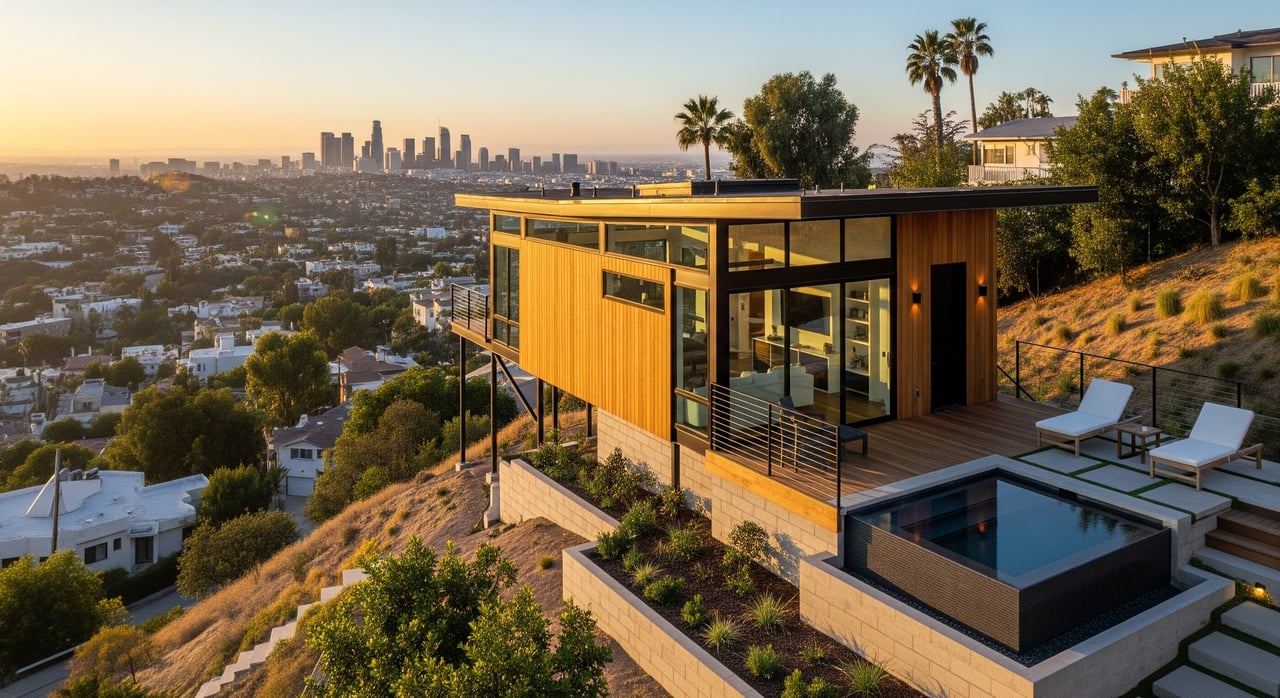
Why did one Hollywood Hills home with the same square footage sell for far more than a similar place a few blocks away? In the Hills, small differences in slope, access, and views can change price and timing in a big way. If you are buying or selling here, understanding these “micro-markets” helps you price, market, and negotiate with confidence. In this guide, you’ll learn what actually drives value block by block, how to vet a property, and how to position your home to win. Let’s dive in.
What a micro-market means in the Hills
A micro-market is a small, distinct subarea shaped by topography, street access, lot type, view type, architectural character, and buyer profile. In the Hollywood Hills, these differences can shift within a single block. That is why price per square foot and days on market can vary widely even within one zip code.
Common factors that separate micro-markets include canyons versus ridgelines, public roads versus private drives, proximity to major corridors like Sunset or Mulholland, pockets with historic character, and access to parks and studios. Knowing which mix you are buying or selling is step one.
Topography shapes value
The hillside itself sets the rules. Each lot type comes with tradeoffs that affect use, cost, and market appeal.
- Ridgeline lots: Panoramic city, ocean, or valley views and high prestige. They can be more exposed to wind and fire and may need complex foundations. Supply is limited, so direct comps are scarce.
- Mid-slope lots: Partial views and more shade, often with terraced layouts. These balance privacy and outlook with moderate construction complexity.
- Canyon-floor lots: Flatter pads and higher privacy with more usable outdoor space. Views may be limited and vegetation can be dense, which affects wildfire planning.
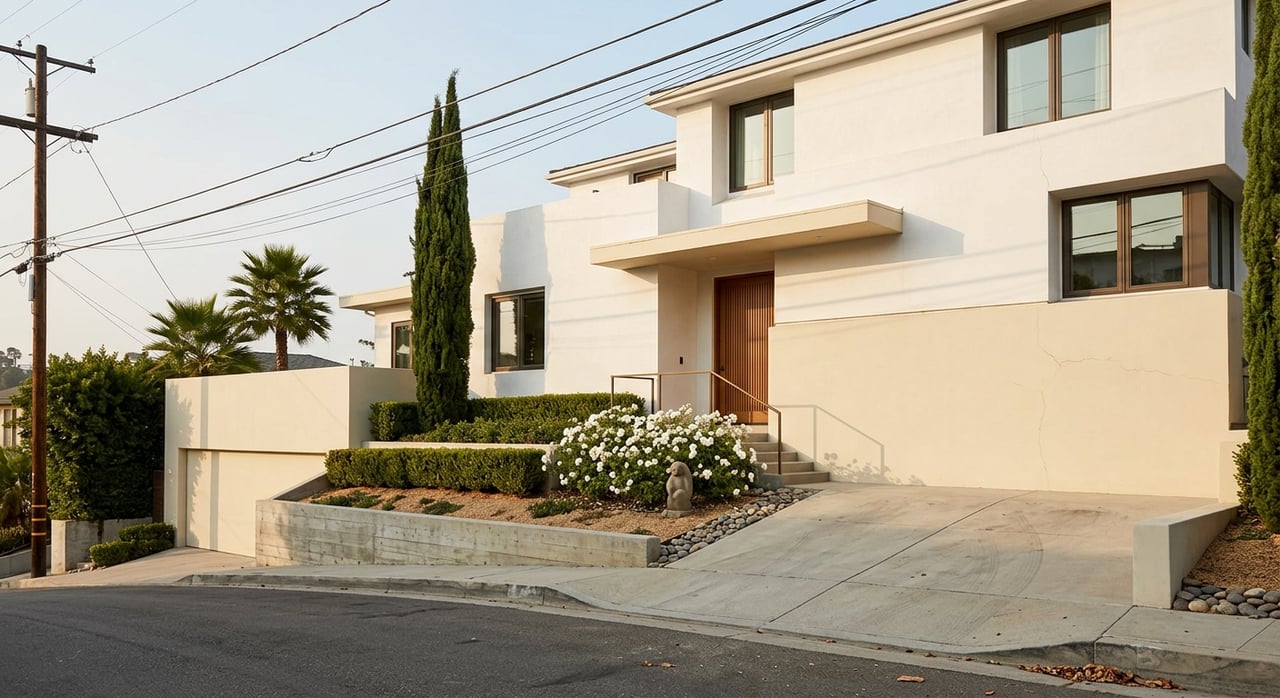
- Corner or flag lots: Irregular shapes can change setbacks, usable pad size, drive approach, and privacy. They can be harder to value without careful analysis.
What to check on any listing: plot map, contour lines, usable pad area, retaining walls, and grading history or permits.
Access and parking realities
Narrow, winding, or single-entry canyon streets can increase delivery and moving costs, limit guest parking, and raise emergency access concerns. These constraints can shrink the buyer pool and extend market time.
Proximity to major corridors like Sunset, Hollywood, or Cahuenga improves convenience but can add traffic noise. Gated or level driveway parking boosts desirability. Homes that require street parking or long stair climbs are harder to market and appraise.
Views and view risk
Views in the Hills range from canyon green to sparkling city lights, ocean, mountains, Griffith Park, and the Hollywood Sign. Quality and angle of the view are major value drivers.
Keep in mind: Los Angeles does not provide a general legal right to a private view. Viewlines are usually treated as a private amenity rather than a guaranteed protection. Because new construction can alter a view, it is smart to review recent permit activity on neighboring parcels.
What to verify: photos from multiple elevations and angles, any blocking trees, and permit or grading activity on adjacent lots.
Rules that shape building
The City of Los Angeles applies hillside development standards that can limit floor area, control grading and cut-fill, and require geotechnical reports. Major remodels or rebuilds often need grading permits, haul route planning, sediment control, and sometimes environmental review. This adds time, cost, and inspections.
Fire and brush rules require defensible space, vegetation clearance, and fire-resistant construction in many hillside zones. In historic pockets, such as parts of Hollywoodland in Beachwood Canyon, preservation overlays can guide exterior changes and timelines. Utility access on steep lots may require special engineering for water, sewer, and stormwater.
Hazards and insurance
Many micro-markets in the Hills fall within high wildfire hazard severity zones. That can influence insurance availability and premiums. Defensible space, ember-resistant vents, and ongoing brush clearance are important for both safety and underwriting.
Geologic risks include landslides, slope instability, and proximity to mapped fault traces. Geotechnical reports are common for permitting and are often requested during sales. Some canyon floors can face debris flows or seasonal runoff, which is why drainage and flood mapping matter.
Insurance implications: higher premiums and more conditions are common in high-risk areas. Some insurers may require mitigation or decline coverage in extreme cases.
What drives price and days on market
Certain features regularly push prices up or down, and they also affect how long a home sits on the market.
- View premium: Unobstructed city or ocean views command higher prices due to scarcity and emotional appeal.
- Usable land and parking: Level outdoor space and easy, on-site parking increase price per usable square foot.
- Privacy: Secluded canyon settings attract buyers seeking retreat, especially in higher income segments.
- Permits and buildability: Current permits, recent geotechnical work, and clear records reduce risk and add value.
- Architecture: Landmark mid-century homes and well-executed contemporary designs attract premium buyers. Historic cottages in Hollywoodland have niche appeal.
- Access and commute: Close-in locations near studios or major corridors see stronger demand. Long, tortuous drives can suppress price.
- Risk discount: Signs of slope issues, weak retaining walls, or unresolved permit problems invite discounts and longer days on market.
For DOM, realistic pricing against a scarce comp set is critical. High-end ridge homes sell to a narrower audience, so marketing and pricing can either shorten or stretch time to sale. Move-in condition speeds things up. Properties needing foundation or slope work typically take longer unless priced to reflect that work.
Appraisals are harder when direct comps are limited. Adjustments often focus on view quality, slope and usable area, access and parking, and permitted work. Expect a wider gap between list and sale prices in one-of-a-kind locations.
Micro-pocket spotlights
Below are widely referenced micro-pockets. Boundaries are informal and often overlap, so always confirm specifics through city and MLS mapping.
Beachwood Canyon and Hollywoodland
- Historic 1920s character with narrow, winding roads and hillside cottages to estates. Some lots are steep with small parcels and occasional ridgeline outlooks.
- Buyers value the iconic setting and trail access. Historic overlays and unusual lots demand careful planning. Parking and access can be tight.
Laurel Canyon
- A mix of rustic canyon homes, mid-century cabins, and modern renovations with heavy vegetation on canyon floors and mid-slopes.
- Privacy and a distinct canyon vibe are key draws. Brush management and wildfire planning are front and center.
Nichols Canyon
- Steeper terrain with newer contemporary rebuilds among older ranch and cabin stock.
- Attracts professionals and creatives who want privacy with relatively direct access to studios and nightlife.
Mulholland Drive ridgeline
- Prestige ridge addresses with sweeping basin-to-ocean views on clear days. Engineered foundations and longer driveways are common.
- Inventory is limited and prices trend higher. Because views drive value, checking neighbors’ permits is essential.
Franklin Hills, Franklin Village, and Outpost Estates
- A blend of mid-century and period homes with planned curvilinear streets in parts of Outpost and some larger lots.
- Offers hillside living with close access to Hollywood Bowl and urban amenities.
Cahuenga Pass and West Hollywood edges
- Transitional pockets closer to studios and freeway access, with varied building stock and sometimes flatter pads.
- Popular with commuters and buyers who prioritize convenience over intense hillside terrain.
Buyer due diligence checklist
Use this list to verify key items before you remove contingencies.
- Obtain a plot plan and current boundary survey.
- Order a geotechnical report and, if advised, a slope or stability evaluation. Check for existing reports in the permit history.
- Review all building, grading, and permit records with the city and county. Confirm that any as-built work is disclosed and resolved.
- Check wildfire hazard maps, brush clearance history, and local fire department requirements.
- Verify parking and access: number of on-site spaces, driveway grade, and any street parking restrictions.
- Confirm utility connections and sewer or water service, including any easements or rights-of-way.
- Review recent neighbor permit filings to spot potential view or privacy impacts.
- Consult insurance brokers early for insurability and likely premiums.
- Ask for historic view photos to understand seasonal changes and tree growth.
- Budget for higher construction costs tied to slope work, retaining walls, access, haul routes, and noise limits.
Seller prep checklist
Present a clear narrative and reduce buyer friction by packaging the right details upfront.
- Assemble permits and maintenance records: surveys, geotech reports, grading permits, brush clearance receipts, and prior remodel permits.
- Commission high-quality media: drone sequences showing views at different times of day, site plans highlighting usable pad versus slope, and the parking approach.
- Disclose known hazards and mitigation, including defensible space steps. Consider pre-listing inspections.
- Price with context: explain how the lot type and access compare to the nearest valid comps and why that merits a premium or discount.
- Highlight practical conveniences such as level parking, short driveway, proximity to major corridors, and permitted outdoor living spaces.
Work with a micro-market guide
In the Hollywood Hills, details make the deal. The right strategy blends precise pricing, permit and geotech clarity, and media that tells a true story of views, access, and lifestyle. As a boutique practice, Houses by Housman limits its client list to deliver concierge-level representation, data-informed guidance, and media-grade marketing that resonates with discerning buyers.
If you are exploring a purchase or planning a sale in the Hills, let’s map your micro-market together and craft a plan that fits your goals and timeline. Request a private consultation with Sami Housman.
FAQs
Are views legally protected in the Hollywood Hills?
- In most cases they are not, since views are treated as a private amenity, so check neighboring permit filings because new construction can affect viewlines.
Do ridge homes always sell fastest or for the most?
- Ridge homes often command price premiums for views and prestige, but a narrower buyer pool and appraisal complexity can extend market time if pricing and marketing are not aligned.
How much more does hillside building or remodeling cost?
- It can be substantially higher than flat lots due to grading, retaining walls, geotechnical work, erosion control, haul routes, and specialized foundations, so get contractor and engineer estimates.
Should I be concerned about wildfire risk in the Hills?
- Yes, many pockets are in high-risk zones, which affects insurance and long-term maintenance, so plan for defensible space and fire-resistant features.
How do appraisers value unique hillside properties with few comps?
- They select the best available comparables and adjust for view, slope and usable area, access, parking, condition, and permitted work, which can widen the range between list and sale prices.